
How to Choose the Right Promotional Items for Your Business in 2026
Discover how Australian businesses can choose effective promotional items that build brand awareness, engage customers, and deliver real ROI.

Written by
Ryder Wood
Corporate Gifts
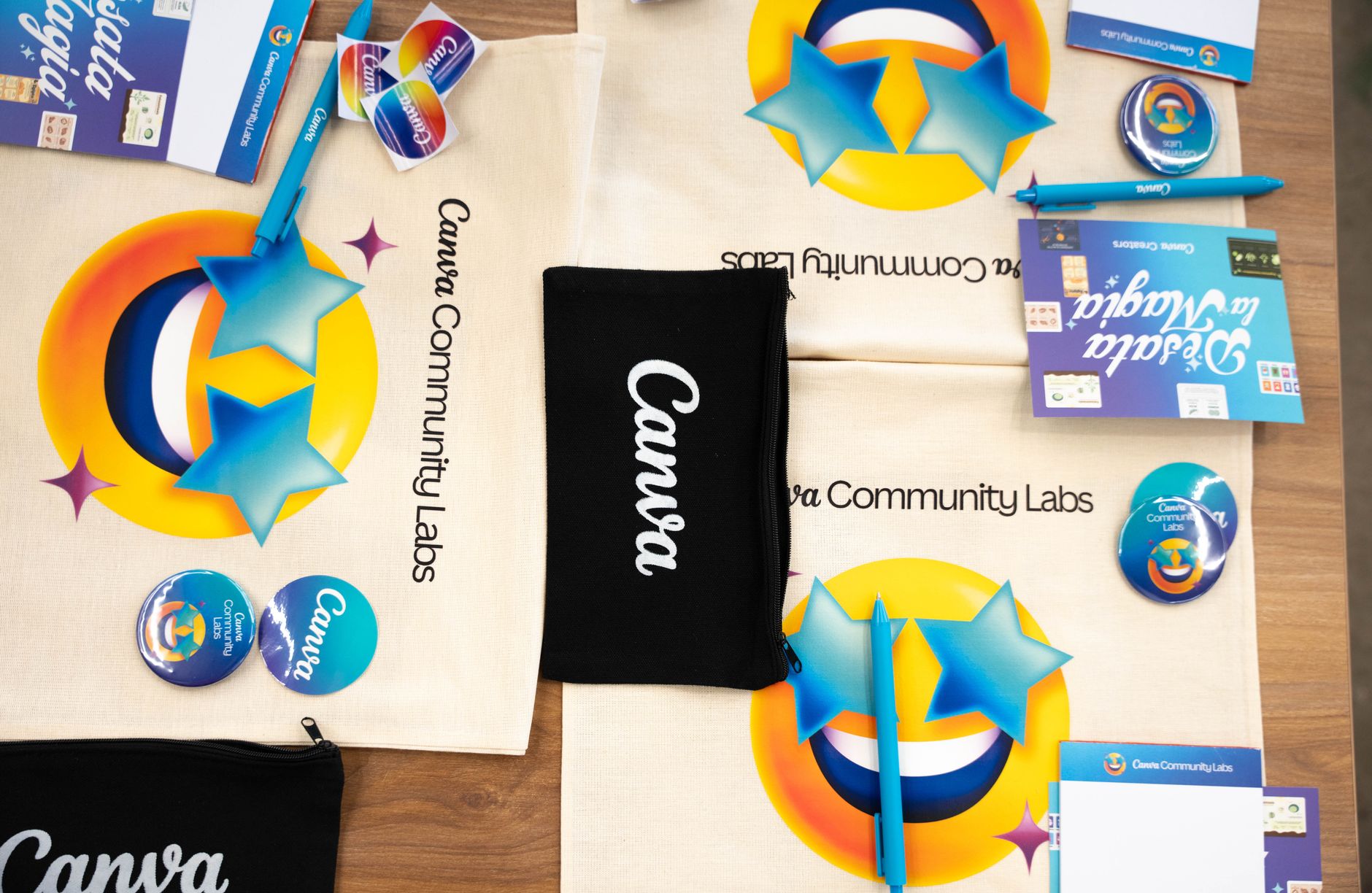
Every business wants to be remembered. Whether you’re exhibiting at a Sydney trade show, welcoming new clients in Melbourne, or running a staff onboarding program in Brisbane, the right promotional items can turn a fleeting interaction into a lasting brand impression. But with thousands of products to choose from and an enormous range of suppliers, decoration methods, and budget considerations, knowing where to start can feel genuinely overwhelming. This guide is designed to cut through that noise and give you a clear, practical framework for selecting and ordering promotional items for your business — one that actually delivers results.
Why Promotional Items Still Work for Business
In an era dominated by digital marketing, it might seem old-fashioned to invest in physical branded merchandise. But the data tells a completely different story. According to our breakdown of promotional products industry statistics for 2026, recipients of branded merchandise are significantly more likely to do business with the company that gave them a product — and many hold onto useful items for months or even years.
The key word there is useful. A promotional item that serves a genuine function — a custom water bottle someone takes to the gym, a notebook they use at their desk, a power bank they throw in their bag — creates repeated brand impressions without any additional spend on your part. That’s the essence of what makes promotional merchandise such an efficient marketing channel.
It’s also worth noting that physical items create an emotional connection that digital ads simply can’t replicate. When someone holds a well-made, thoughtfully branded product, there’s a tactile quality to that experience. It signals that your business cares about quality, which in turn reflects positively on your brand.
Understanding Your Audience Before You Order
Before you look at a single product, spend time thinking carefully about who will actually be receiving these items. The most effective promotional items for business are always chosen with a specific audience in mind.
Corporate Clients and Decision-Makers
If you’re targeting senior stakeholders, corporate clients, or long-term partners, the quality of your promotional products matters enormously. This is not the occasion for cheap pens or generic keyrings. Think premium drinkware, leather-bound notebooks, or laser-engraved gifts that feel genuinely considered. A beautifully engraved pen, for example, carries a sense of prestige — explore our guide to personalised engraved pens for academic and professional recognition to understand how decoration quality elevates perceived value.
For real estate businesses specifically, branding on quality items creates a powerful impression with vendors and buyers alike — see how other agencies approach this in our article on promotional products for real estate businesses in Perth.
Event Attendees and Conference Delegates
Trade show and conference giveaways operate by different rules. Here, you’re distributing at volume, so cost-per-unit matters more. You also want items that are lightweight and easy to carry away from a stand. Branded tote bags, lanyards, pens, and notepads remain conference staples for good reason — they’re practical, easy to brand, and budget-friendly at scale. If you’re setting up at an expo, make sure you’ve also thought through your trade show stand presentation, because your merchandise and your display work together to create a cohesive brand impression.
Tech accessories are also increasingly popular at events — portable chargers, USB extender cables, and branded earbuds tend to generate real excitement. For a broader look at what’s trending right now, our guide to tech promotional gadgets trends in Australia in 2026 covers what’s cutting through at events this year.
Schools and Educational Organisations
Promotional items aren’t just for commercial businesses. Schools ordering branded merchandise for sports carnivals, fundraisers, or end-of-year celebrations have a distinct set of needs — durable, age-appropriate products that can handle active use. Custom t-shirts are almost always a go-to here, and understanding printing on t-shirts will help you choose the right decoration method for your volume and budget.
Choosing the Right Product Category
Once you know your audience, you can start matching them to product categories. Here’s a practical overview of the most popular categories for business promotional items.
Branded Drinkware
Custom water bottles and keep cups are consistently among the highest-performing promotional products available. Recipients use them daily, which means your logo gets seen repeatedly — by the person using the product and everyone around them. A custom water bottle is a particularly strong choice for health and wellness brands, fitness businesses, and organisations that want to align themselves with sustainability values.
Stationery and Office Products
Branded stationery remains a workhorse category for business promotional items. Pens, notebooks, sticky notepads, and desk accessories all get regular use in professional settings. A sticky notepad with your logo might seem simple, but it sits on someone’s desk for weeks and generates hundreds of passive impressions. For a broader view of what’s trending, our article on promotional stationery trends in Australia is worth a read before you commit to an order.
Eco-Friendly and Sustainable Products
Sustainability is no longer a niche concern — it’s a genuine business priority for organisations across Australia. Branded merchandise made from bamboo, recycled materials, or designed to replace single-use items resonates strongly with environmentally conscious audiences. A Melbourne council distributing reusable tote bags at a community event, or an Adelaide corporation gifting bamboo desk accessories to clients, sends a clear message about organisational values.
Apparel
Branded clothing is one of the most visible forms of promotional merchandise. From embroidered polo shirts for corporate teams to screen-printed hoodies for school events, apparel turns your people into walking brand ambassadors. The decoration method matters here — embroidery suits structured garments and professional settings, while screen printing is more cost-effective for high-volume casual wear.
Novelty and Experience-Based Items
Sometimes the best promotional item for your business is one that sparks genuine delight. Think outside the standard pen-and-notebook formula. Branded popcorn makes for a memorable corporate gift — our guide to promotional popcorn for corporate gifts in Australia explores how to use food products creatively. Similarly, promotional kites for outdoor corporate events show how experiential merchandise can create memorable moments that people talk about long after the event is over.
Budgeting and Ordering: Practical Considerations
Minimum Order Quantities
Most promotional products come with minimum order quantities (MOQs). These typically start at 25–50 units for items like pens and notepads, and may be higher for custom apparel or tech accessories. Understanding MOQs upfront helps you plan your budget accurately without unexpected surprises.
Setup Fees and Artwork
Most decoration methods — screen printing, embroidery, pad printing, laser engraving — involve a one-time setup fee to prepare your artwork for production. This fee is usually charged once per order and doesn’t recur on reorders. Make sure your artwork is supplied in the correct format (generally vector files such as .ai or .eps) to avoid delays and additional artwork fees.
Turnaround Times
Standard turnaround for most promotional items in Australia is typically 10–15 business days from artwork approval. Rush orders are available from many suppliers but often attract a premium. If you’re ordering for a specific event date, always build in extra buffer time — particularly if your order is coming from interstate or involves a complex decoration method.
For businesses managing merchandise across multiple locations, consider whether a promotional product warehousing solution might make sense for your organisation.
Finding the Right Supplier
Working with a reputable Australian supplier makes a significant difference to the outcome of your order. Our overview of promotional products suppliers in Australia covers what to look for when evaluating a supplier — from product quality and communication to turnaround reliability and ethical sourcing. You can also explore the broader landscape with our introduction to promotional products in Australia.
Timing Your Purchases Strategically
Procurement timing can have a meaningful impact on your costs and product availability. Demand for promotional merchandise spikes around certain periods — EOFY, Christmas, conference season, and the school year calendar all drive significant ordering volume. Planning your purchases ahead of these peaks can save you money and give you more product choices. Our article on seasonal promotional product purchasing patterns in Australia is a useful reference for building a smarter procurement calendar.
Charity runs and community events also represent strong promotional opportunities — our guide to promotional giveaways for charity runs in Australia provides practical inspiration if your business is involved in sponsoring or participating in community events.
Conclusion: Key Takeaways for Choosing Promotional Items for Your Business
Selecting the right promotional items for your business doesn’t have to be complicated, but it does require a thoughtful approach. Here are the most important things to keep in mind:
- Know your audience first. The best promotional item is always the one that genuinely resonates with the person receiving it — whether that’s a premium engraved gift for a valued client or a fun, practical item for a mass event giveaway.
- Prioritise usefulness and quality. Products that get used regularly generate more brand impressions over time and reflect positively on your business. Don’t cut corners on quality just to save a few dollars per unit.
- Plan your budget to include the full picture. Factor in setup fees, decoration costs, and shipping alongside the unit price to avoid surprises at checkout.
- Think about timing. Ordering outside of peak periods can improve both your cost and your access to stock — build your promotional merchandise calendar well in advance.
- Work with a reliable Australian supplier. Local expertise, faster communication, and on-shore accountability make a genuine difference to the outcome of your promotional items order.
When executed well, a strategic promotional items programme is one of the most cost-effective marketing investments a business can make. Take the time to get it right, and the returns — in brand awareness, client loyalty, and team morale — will speak for themselves.