
The Complete Guide to Business Merchandise That Actually Gets Results
Discover how to choose, order, and budget for business merchandise that strengthens your brand and delivers real value in Australia.

Written by
Ryder Wood
Corporate Gifts
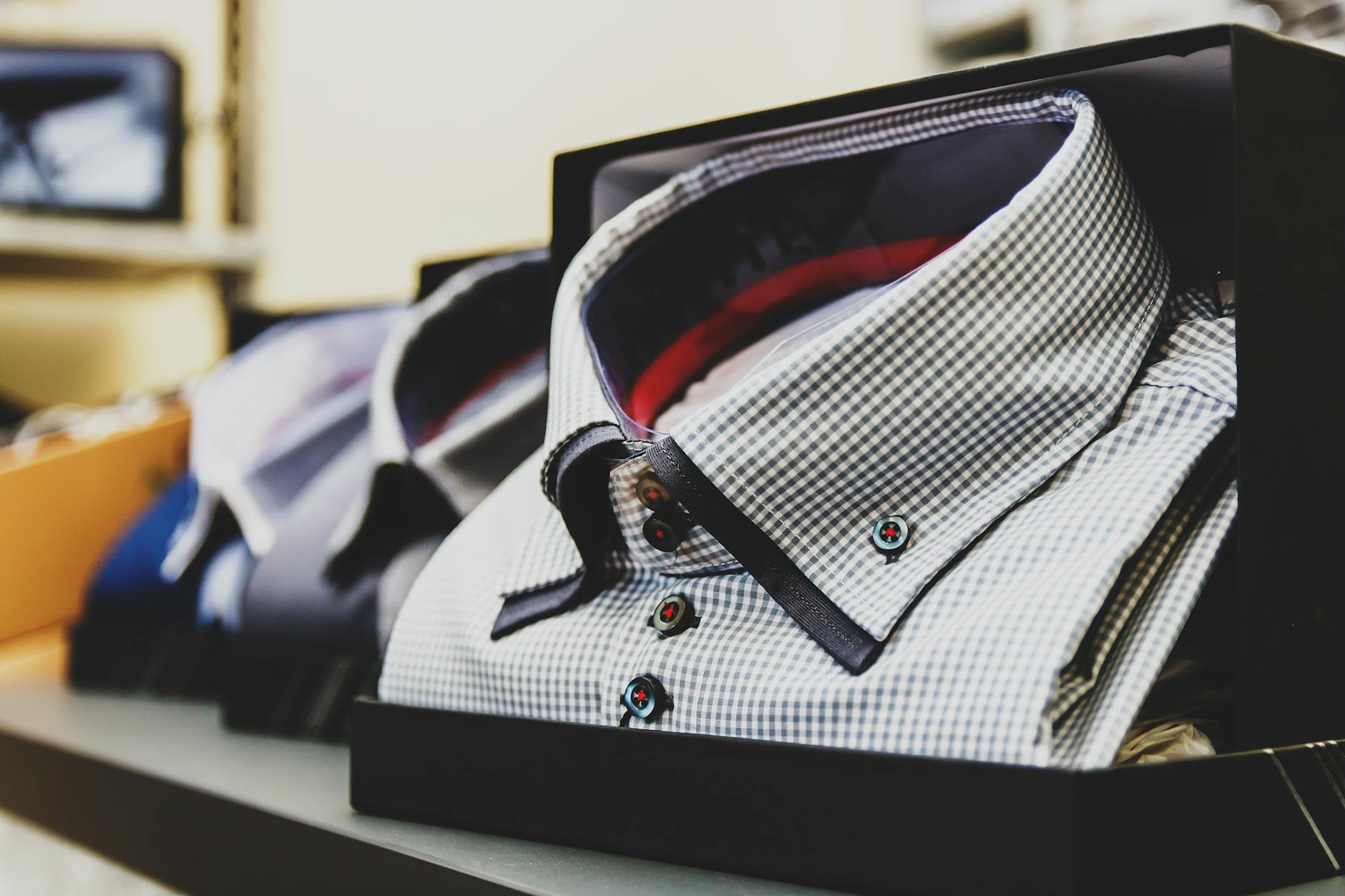
Every business owner has seen it — the branded pen that gets passed around an entire office, the keep cup that travels on the train every morning, the tote bag that turns up at school drop-off months after a trade show ended. That’s the quiet power of well-chosen business merchandise. When it’s done right, branded merch doesn’t just carry your logo — it carries your brand into spaces and conversations you’d never reach through traditional advertising. But getting it right takes more than slapping your name on the cheapest item available. This guide walks you through everything you need to know to make smart, strategic decisions about business merchandise in 2026.
What Is Business Merchandise and Why Does It Matter?
Business merchandise refers to any physical product branded with your organisation’s logo, name, colours, or messaging, distributed to promote your brand, reward customers, or support your team. It spans an enormous range — from custom apparel and drinkware to tech accessories, stationery, bags, and eco-friendly products.
The impact of promotional merchandise is well-documented. According to our roundup of promotional products industry statistics for 2026, recipients of branded products are significantly more likely to have a positive perception of the brand, and most people keep useful promotional items for more than a year. That kind of sustained brand exposure is genuinely difficult to replicate with digital advertising alone.
For Australian businesses — whether you’re a boutique in Adelaide, a tech startup in Melbourne, a government council in Perth, or a school in regional Queensland — merchandise is a tangible, lasting extension of your brand identity. Done well, it builds loyalty, reinforces trust, and keeps your name front of mind long after the initial interaction.
Understanding Your Objectives Before You Order
Before you even start browsing product catalogues, it’s worth getting clear on what you’re trying to achieve. Business merchandise can serve several distinct purposes, and the right product choice depends heavily on your goal.
Brand Awareness
If you want to get your name out to a wide audience — say, at a trade show or community event — you’ll want items with high visibility and broad appeal. Items like branded water bottles, tote bags, and caps travel far. A Sydney marketing agency heading to an expo, for instance, might prioritise a well-designed custom water bottle over a novelty gadget because it’s something attendees will genuinely use every day.
Staff and Team Culture
Businesses investing in employee recognition and culture often turn to custom apparel — polos, hoodies, and t-shirts. Quality garments with clean embroidery or screen printing signal that you care about your team’s presentation. For a deeper look at what’s involved in apparel customisation, our guide to printing on t-shirts is a great starting point.
Client Gifts and Retention
When you’re gifting merchandise to clients or partners, quality is everything. Premium drinkware, leather notebooks, tech accessories like power banks, or carefully curated gift packs say far more about your brand than a cheap pen ever will. These items land on desks and stay there, working quietly on your behalf.
Event and Conference Support
Trade shows, product launches, conferences, and expos all create demand for merchandise that’s functional, easy to carry, and visually cohesive. Our guide to trade show stands and supporting materials covers how merchandise fits into a broader event strategy.
Choosing the Right Products for Your Business
With hundreds of product categories available, narrowing down your choices can feel overwhelming. Here are some of the most effective categories for Australian businesses in 2026 — and the key considerations for each.
Drinkware
Branded drinkware is consistently one of the best-performing merchandise categories in Australia. Insulated keep cups, stainless steel water bottles, and reusable mugs tick multiple boxes: they’re practical, eco-conscious, and used daily. A single quality bottle can generate thousands of brand impressions over its lifetime. Look for products that align with your brand’s values — a sustainability-focused business should consider BPA-free or recycled-material options.
Stationery
Branded stationery might seem unglamorous, but it’s one of the most cost-effective merchandise categories available. Notebooks, pens, and desk accessories are used constantly in office environments. If you’re exploring what’s popular right now, our overview of stationery trends in Australia highlights some of the formats gaining traction with businesses and schools alike. Items like a custom sticky notepad are inexpensive, easy to personalise, and genuinely useful across corporate and education settings.
Tech Accessories
Technology-related merchandise has grown enormously in popularity. Power banks, wireless chargers, USB accessories, and branded earbuds resonate with modern audiences — especially for businesses targeting younger demographics or tech-savvy corporate clients. For a look at what’s shaping this category, our tech promotional gadgets trends guide for 2026 covers the innovations worth knowing about. Practical items like a USB extender cable may seem modest, but they’re the kind of thing people genuinely appreciate and keep on their desks permanently.
Apparel
Custom apparel is ideal for events, uniforms, and team merchandise. The decoration method matters enormously here — embroidery tends to look premium on polos and caps, while screen printing is better suited to high-volume t-shirt runs. Sublimation is excellent for full-colour designs on synthetic fabrics. Understanding these differences will save you time and money. Our comprehensive resource on promotional items for businesses covers apparel alongside several other key categories.
Bags
Branded bags — whether canvas totes, backpacks, or cooler bags — offer enormous branding real estate and genuine utility. A well-designed tote bag becomes a walking advertisement every time it’s used at the supermarket, gym, or beach. For businesses active in the community, consider how promotional products for real estate businesses in Perth use bags and other useful items to stay visible in competitive local markets.
Budgeting for Business Merchandise: What to Expect
Budget is one of the most common sticking points when ordering business merchandise. Here’s a practical framework to help you plan.
Per-unit cost vs. total investment: Don’t focus purely on cost per item. Consider the total cost including decoration setup fees (often $50–$150 per colour per position for screen printing), freight, and any sample fees. For laser engraving or embroidery, setup costs are generally absorbed into larger runs.
Minimum order quantities (MOQs): Most promotional product categories have MOQs ranging from 25 to 250 units depending on the product and decoration method. Branded pens and stationery often start at 100 units, while premium items like drinkware or tech accessories may start at 25–50 units.
Tiered pricing: Almost every product category offers bulk pricing — the more you order, the lower your per-unit cost. If you’re likely to reorder, it’s often worth calculating the long-term saving from a larger initial run.
Turnaround times: Standard production is typically two to three weeks from artwork approval. Rush orders are possible with some suppliers but usually attract a premium. If you’re ordering for a specific event, build in a buffer. Our guide on seasonal promotional product purchasing patterns in Australia is worth reading before you set your timeline — especially if you’re ordering around Christmas, EOFY, or the back-to-school period.
Working With Suppliers: Key Things to Know
Finding the right supplier makes a significant difference to the outcome of your merchandise project. When you’re researching options, our guide to promotional products suppliers in Australia outlines what to look for in terms of product range, print quality, communication, and reliability.
Key things to clarify with any supplier before ordering:
- Artwork requirements: Most suppliers require vector files (AI or EPS) for clean reproduction, especially for screen printing and embroidery. Raster files (JPG, PNG) can sometimes be used for digital printing but should be high resolution (at least 300dpi).
- PMS colour matching: If brand colour accuracy is critical, ask whether the supplier offers Pantone Matching System (PMS) colour matching. This is particularly important for embroidery thread and screen printing.
- Proof process: Reputable suppliers will provide a digital proof or physical sample for approval before full production begins. Never skip this step — it’s your last chance to catch errors.
- Warehousing and fulfilment: If you’re a business with multiple locations or regular merchandise needs, ask about promotional product warehousing options that can store and dispatch inventory on demand.
Creative Ideas Beyond the Basics
Once you’ve covered the fundamentals, consider whether your business could benefit from more distinctive or unexpected merchandise choices.
Outdoor and experiential brands might explore items like promotional kites for outdoor corporate events — memorable, fun, and genuinely on-brand for the right audience. Businesses in the food and hospitality space might love the novelty appeal of promotional popcorn for corporate gifting. And community-focused businesses — like pet care services — can explore niche merchandise such as promotional pet treat bags that speak directly to their customers.
The broader point is this: your merchandise doesn’t have to follow the crowd. The most memorable branded items are the ones that feel genuinely relevant to the business and its audience.
For a broader overview of what’s available across the Australian market, our guide to promotional products in Australia is a useful reference covering categories, trends, and supplier considerations.
Conclusion: Key Takeaways for Your Business Merchandise Strategy
Investing in the right business merchandise is one of the smartest long-term brand-building decisions an organisation can make. The key is approaching it with clarity, intention, and a solid understanding of what will genuinely serve your audience.
Here are the most important things to keep in mind:
- Start with your objective: Know whether you’re building brand awareness, rewarding staff, gifting clients, or supporting an event — your goal should drive every product decision.
- Prioritise quality and usefulness: The best merchandise is something recipients actually want to keep and use. A high-quality item used daily delivers far more value than a cheap novelty tossed in a drawer.
- Plan your timeline carefully: Factor in production lead times, artwork approval, and seasonal demand. Last-minute orders can compromise quality or cost significantly more.
- Understand your total costs: Look beyond the per-unit price and account for setup fees, freight, and any artwork production costs before setting your budget.
- Work with a reliable supplier: Good communication, clear proofing processes, and strong product knowledge from your supplier will make the entire experience smoother and more successful.
Business merchandise, when chosen and executed well, does what most advertising can’t — it builds a physical, lasting connection between your brand and the people who matter most to your business.