
How to Choose the Right Merchandising Suppliers for Your Australian Organisation
Discover how to find and evaluate merchandising suppliers in Australia for businesses, schools, and events. Expert tips on quality, pricing, and ordering.

Written by
Georgie Chandra
Branding & Customisation
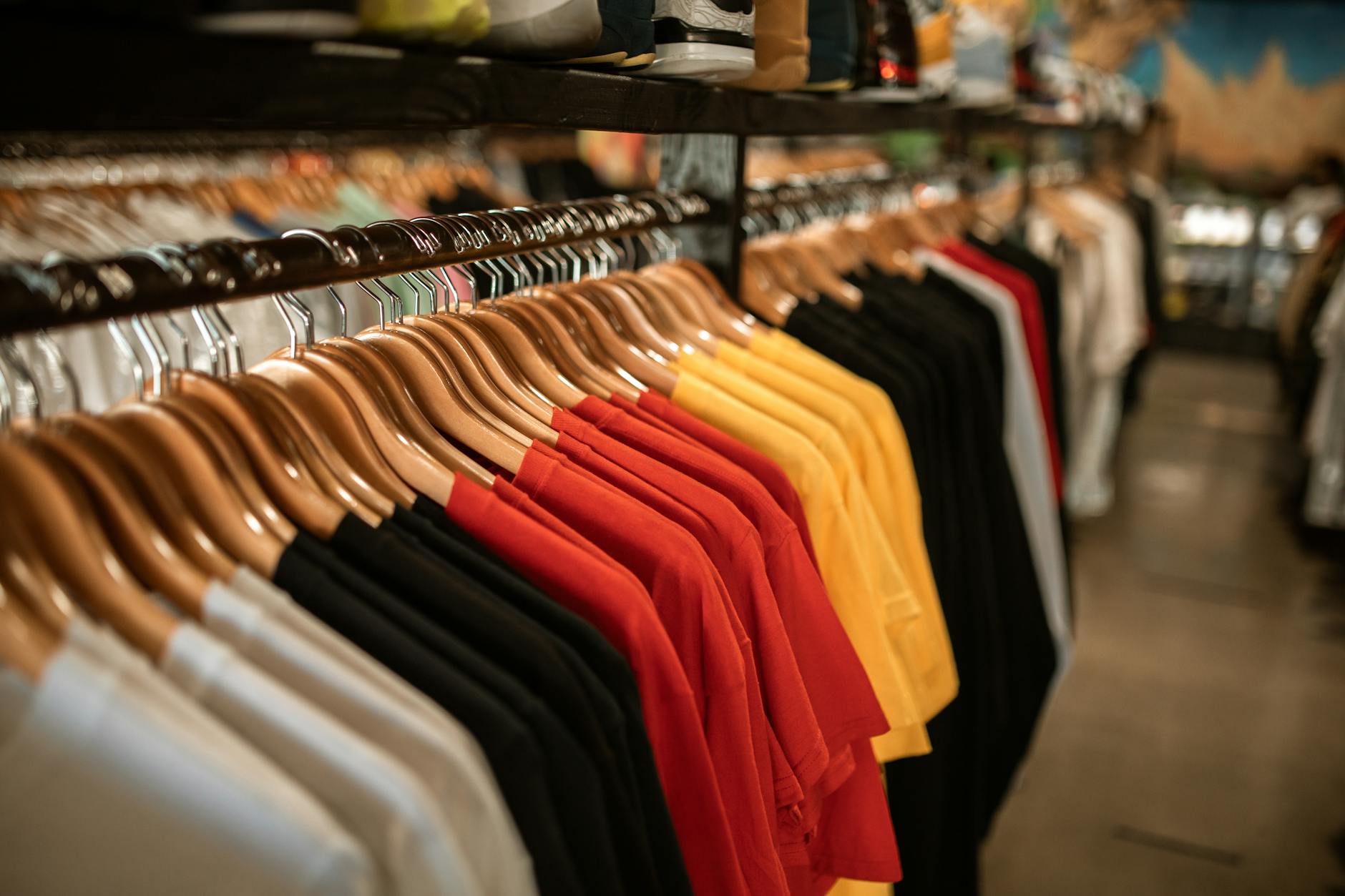
Choosing the right merchandising suppliers can make or break your branded merchandise programme. Whether you’re a Sydney-based corporate team gearing up for a major product launch, a Melbourne school preparing for the new academic year, or a Brisbane events team ordering conference giveaways, the supplier you choose will directly influence the quality of your products, the smoothness of your experience, and ultimately how your brand is perceived. With hundreds of options across Australia and beyond, navigating the landscape can feel overwhelming — but it doesn’t have to be. This guide breaks down everything you need to know to find, assess, and work confidently with merchandising suppliers that genuinely deliver.
What Do Merchandising Suppliers Actually Do?
Before diving into the selection process, it’s worth being clear about what a merchandising supplier actually provides. In the promotional products space, a merchandising supplier is typically a company that sources, decorates, and delivers branded merchandise on behalf of businesses, schools, government bodies, and organisations.
Some suppliers are full-service: they’ll help you choose products, match your brand colours, manage the decoration process (whether that’s screen printing, embroidery, laser engraving, or sublimation), and ship the finished goods to one or multiple addresses. Others are more specialised, focusing on specific product categories like custom water bottles or branded USB products.
It’s also worth distinguishing between suppliers and distributors. Some suppliers manufacture their own products; others source from a catalogue of goods produced by third-party manufacturers and then apply branding. Understanding this distinction matters because it can affect pricing, minimum order quantities (MOQs), lead times, and the flexibility you have when customising products.
Key Factors to Evaluate When Comparing Merchandising Suppliers
Not all merchandising suppliers are created equal. Here are the most important criteria to assess before committing to an order.
Product Range and Category Depth
A strong merchandising supplier will offer a broad and diverse catalogue. Look for suppliers who can cover multiple product categories so you can manage your entire branded merchandise programme in one place. Key categories to look for include:
- Custom apparel — work polo shirts, t-shirts, hoodies, caps, and hi-vis workwear
- Drinkware — travel mugs and keep cups, custom drink bottles, and branded tumblers
- Bags — tote bags and backpacks, cooler bags, and drawstring bags
- Tech accessories — USB flash drives, USB extender cables, and power banks
- Stationery — branded pens, sticky notepads, and notebooks
- Outdoor and event items — teardrop banners, umbrellas with logos, and gym towels
If a supplier can only service two or three of these categories, you may end up juggling multiple vendor relationships — which adds complexity and can make brand consistency difficult to manage.
Decoration Methods and Print Quality
The way your logo is applied to a product matters just as much as the product itself. Ask potential suppliers which decoration methods they offer in-house versus outsource. Screen printing, embroidery, sublimation, laser engraving, pad printing, and heat transfer all produce different results and are suited to different products and budgets.
For example, embroidery is typically the premium choice for polo shirts and workwear, while screen printing suits custom t-shirts at higher volumes. Sublimation is ideal for all-over prints and vibrant colour reproduction on polyester fabrics. A supplier who can clearly explain which method best suits your product, application, and budget is a supplier who knows their craft.
Ask to see physical samples of their decoration quality — not just digital mockups. PMS colour matching is particularly important for corporate clients where brand consistency across all touchpoints is non-negotiable.
Minimum Order Quantities and Pricing Tiers
MOQs are one of the most practically important factors for any organisation ordering branded merchandise. A small charity in Hobart might need just 25 branded items, while a national corporation could be ordering 5,000 units across multiple product lines. Understanding a supplier’s MOQ structure upfront will save you a lot of back-and-forth.
Most merchandising suppliers offer tiered pricing — the more you order, the lower the unit cost. This is worth factoring in when planning your budget. For example, ordering 150 branded keep cups instead of 75 might only represent a modest increase in total spend but could result in a significantly lower per-unit cost.
Setup fees (sometimes called origination fees) are another cost to account for. These typically apply to screen printing, pad printing, and embroidery digitisation. A reputable supplier will be transparent about these costs in their quoting process rather than burying them in a final invoice.
Turnaround Times and Rush Capabilities
Timing is everything in the world of promotional merchandise. If you’re ordering promotional items for a trade show stand or a conference, you need to know with confidence that your products will arrive on time. Ask suppliers what their standard turnaround is from proof approval to delivery — and what options exist if you need items quickly.
Some suppliers offer expedited services for urgent orders. If you’re in Adelaide and need items in a hurry, it’s worth knowing whether same-day or fast-turnaround printing is available in your city. Turnaround times can vary significantly based on product type, decoration method, and order volume, so always build in buffer time for larger or more complex orders.
Artwork Support and Proof Approval Process
Not every organisation has a design team on hand to produce print-ready artwork files. A good merchandising supplier will offer artwork support — either as part of the service or for a reasonable additional fee. They should be able to work from a high-resolution logo file and advise on optimal sizing, placement, and colour separation for each product.
Always insist on seeing a digital proof before your order goes into production. Reputable suppliers will provide this as a standard step in the process, giving you the opportunity to check sizing, positioning, colours, and spelling before anything is printed or embroidered.
Questions to Ask Prospective Merchandising Suppliers
When you’re evaluating suppliers for the first time, having a shortlist of questions ready will help you compare apples with apples. Consider asking:
- What are your standard MOQs across product categories?
- Do you offer physical samples before a full production run?
- What is your standard turnaround from proof approval to delivery?
- Are setup fees included in quoted pricing or charged separately?
- Can you provide PMS colour matching for my brand?
- Do you offer split delivery to multiple locations?
- What is your returns or replacement policy if products arrive with defects?
- Do you have experience working with organisations in my sector?
That last question is particularly valuable. A supplier who regularly works with schools and community organisations, for instance, will understand the typical budget constraints and compliance expectations involved — which is very different from supplying large-scale corporate clients or events.
Industry-Specific Considerations for Australian Organisations
Different sectors have unique requirements when it comes to branded merchandise, and a good supplier should understand those nuances.
Schools and educational institutions often need products that align with school colours and are safe, durable, and appropriate for children. Items like custom t-shirts for sports day, branded stationery, and sports equipment are common. Perth and Queensland schools, for example, frequently order summer-ready products in Term 4 — understanding seasonal purchasing patterns helps suppliers plan production accordingly.
Corporate businesses typically prioritise quality, consistency, and brand alignment. A Canberra-based professional services firm will have very different expectations from a Gold Coast retail brand. Both, however, need a supplier who understands corporate branding standards and can deliver polished results at scale.
Event and conference organisers need speed, reliability, and variety. From branded delegate bags and keep cups to stickers and printed collateral, events demand precise timing and coordinated delivery. If you’re running a multi-day conference, you may also want to look at current tech promotional gadget trends to offer delegates something memorable and genuinely useful.
Sporting clubs need hard-wearing apparel that withstands regular use and washing. A Melbourne football club ordering custom training polos, a Darwin surf club sourcing branded rash vests, or a regional athletics club in regional NSW preparing for a carnival all need to know their supplier has the right product knowledge to deliver the right result.
Red Flags to Watch Out For
Knowing what to avoid is just as important as knowing what to look for. Be cautious of suppliers who:
- Can’t provide physical samples or references
- Are vague about turnaround times or use phrases like “usually within a few weeks”
- Don’t offer a written proof approval process
- Have limited or unclear product information on their website
- Don’t clearly disclose setup fees or additional charges in their quote
- Push you toward cheaper decoration methods without explaining the trade-offs
Transparency is the hallmark of a trustworthy supplier. If something feels unclear or you’re getting evasive answers to direct questions, trust that instinct and keep looking.
Building a Long-Term Relationship with Your Supplier
The best merchandising supplier relationships aren’t transactional — they’re collaborative. When you find a supplier who understands your brand, your sector, and your ordering rhythm, nurture that relationship. Share your upcoming calendar of events and needs in advance. Many suppliers offer better pricing or priority service to repeat clients, particularly when orders are planned rather than rushed.
It’s also worth staying informed about emerging product categories and decoration trends. For instance, promotional stationery trends and races jacket customisation are areas where supplier expertise can genuinely add value — pointing you toward products and techniques that are relevant, fresh, and well-received by your target audience.
Conclusion: Key Takeaways for Choosing Merchandising Suppliers
Finding the right merchandising suppliers is a process that rewards careful research, clear communication, and a willingness to ask detailed questions. Here’s a summary of the most important points to carry with you:
- Assess product range and decoration capabilities — look for suppliers who can cover your core product categories and offer multiple decoration methods with demonstrable quality
- Understand the full cost picture — MOQs, setup fees, and pricing tiers should all be disclosed upfront and factored into your budgeting
- Prioritise transparency and communication — a supplier who provides clear proofs, honest timelines, and straightforward answers is worth more than a cheap quote
- Consider sector-specific experience — whether you’re a school, a corporate team, or an events organiser, choose a supplier who understands the unique demands of your context
- Think long-term — the best supplier relationships grow over time, and a reliable partner who knows your brand is a genuine asset to your organisation
With the right merchandising suppliers on your side, your branded merchandise programme becomes far less of a logistical headache and far more of a powerful brand-building tool.