
Event Wristbands: The Complete Guide for Australian Organisers in 2026
Everything Australian event organisers need to know about event wristbands — types, printing, MOQs, budgeting tips and more.

Written by
Quinn Mwangi
Event Merchandise
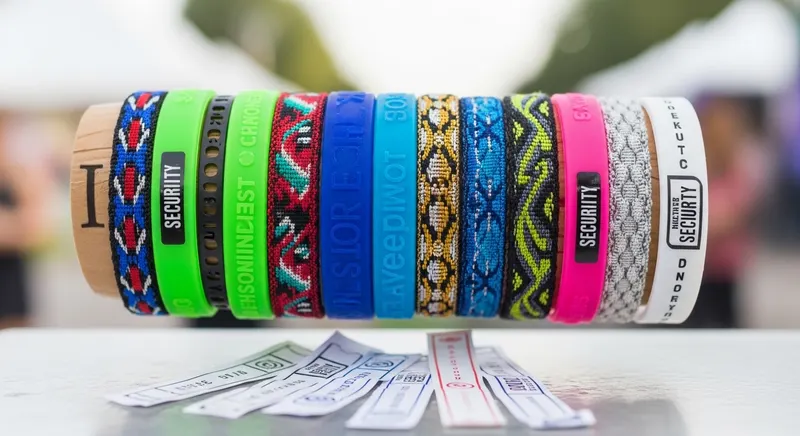
Whether you’re running a school fete in suburban Brisbane, a corporate conference in the Melbourne CBD, or a multi-day music festival on the Gold Coast, event wristbands are one of the most practical and underrated tools in any event organiser’s toolkit. They manage access, identify different ticket tiers, improve crowd safety, and — when done right — serve as a memorable keepsake that attendees take home long after the event wraps up. Yet despite how widely used they are, many organisers still underestimate the planning that goes into sourcing the right wristbands for their specific needs. This guide covers everything you need to know, from materials and decoration options through to ordering timelines, minimum quantities, and how to get the best value for your budget.
Why Event Wristbands Are Worth Getting Right
It might be tempting to treat wristbands as an afterthought — a small logistical detail to sort out in the final week of planning. But experienced event coordinators will tell you that the right wristband can make a significant difference to how smoothly an event runs on the day.
For access control purposes, coloured wristbands allow staff and volunteers to identify at a glance whether someone has paid, which zone they’re permitted in, or whether they’re a vendor, VIP, or general attendee. This is particularly valuable at larger events where checking printed tickets or scanning QR codes for every interaction would slow things down considerably. At a Sydney trade expo with 500 delegates, for instance, using different coloured wristbands for exhibitors, guests, and media representatives allows your front-of-house team to manage flow efficiently without bottlenecks.
Beyond pure functionality, there’s genuine brand value to consider. A well-designed, branded wristband featuring your event name, logo, or a striking design becomes a conversation starter. Attendees who keep wearing their wristband after the event are effectively walking advertisements — extending your event’s visibility in a way that few other giveaways manage to replicate so naturally.
Types of Event Wristbands: Understanding Your Options
Not all wristbands are created equal. The material you choose has a major impact on durability, suitability for your event type, and the level of branding you can achieve.
Tyvek Wristbands
Tyvek wristbands are the workhorse of the events industry. Made from a durable, water-resistant paper-like material, they’re extremely lightweight, low-cost, and suitable for single-day events. They’re the standard choice for school carnival days, community markets, and one-off ticketed events where cost-efficiency is the priority. Tyvek wristbands typically come with a self-sealing closure and are difficult to transfer between wearers, which helps maintain basic access integrity. Custom printing is available, and because they’re so affordable, even small organisations with tight budgets can access well-branded options in bulk.
Fabric (Cloth) Wristbands
Woven or printed fabric wristbands are a step up in terms of perceived value and durability. They’re ideal for multi-day events, school camps, and festivals where the wristband needs to survive swimming, showering, and general wear over several days. These are the wristbands attendees are most likely to keep as souvenirs. Fabric wristbands come in woven styles (where text and logos are woven directly into the material) or sublimation-printed styles (where full-colour artwork is printed onto the band). For events like a Perth student leadership camp or a multi-day Adelaide arts festival, fabric wristbands are a smart investment that also reinforces your event’s professionalism.
Vinyl Wristbands
Vinyl wristbands sit between Tyvek and fabric in terms of cost and durability. They’re waterproof, comfortable, and suitable for events spanning a day or two. They’re commonly used for water parks, sporting events, and hospitality venues managing guest access across a full day. Custom printing is possible with vinyl, though design complexity may be limited compared to fabric options.
Silicone Wristbands
Silicone wristbands — similar to the rubber debossed style popularised by awareness campaigns — are the premium end of the wristband spectrum. They’re highly durable, fully waterproof, and can be debossed, embossed, or printed with custom designs and messages. Silicone bands have a longer lifespan and are far more likely to be retained and worn post-event. For corporate brand-building purposes, particularly at high-profile conferences in Sydney or Melbourne, a silicone wristband with your company name and event branding can function similarly to a branded work polo shirt — it signals professionalism and leaves a lasting impression.
Branding and Decoration Methods
The level of branding you can achieve depends largely on the wristband type you’ve selected.
For Tyvek and vinyl wristbands, pad printing and digital printing are the most common decoration methods. These allow for one or two colour logos and text, event names, or sequential numbering. They’re cost-effective and suitable for most functional access-control applications.
For fabric wristbands, sublimation printing offers the most visually impressive results, allowing full-colour artwork with gradients and detailed imagery — ideal for events with strong visual identities. Woven fabric bands offer a premium tactile finish and work especially well with simpler logos and wordmarks.
For silicone wristbands, debossing (pressing the design into the material) or colour-fill debossing are the standard methods. These produce a clean, professional result and align well with the kind of quality presentation that corporate event organisers expect — similar to the premium feel of a quality custom branded water bottle or a well-finished custom travel mug.
Minimum Order Quantities and Turnaround Times
One of the most common questions event organisers ask is: “How few can I order?” The answer varies by product type.
Tyvek wristbands typically have the lowest minimum order quantities (MOQs), often starting from 100 to 250 units, making them accessible for smaller community events and school functions. Fabric and vinyl wristbands generally start from around 100 to 500 units depending on the supplier and complexity of the artwork. Silicone wristbands tend to have MOQs starting around 100 units, but the per-unit cost is higher, making them more of a considered investment.
Turnaround times are equally important to plan around. Standard production for most wristband types runs between 10 and 15 business days from artwork approval — and that’s before freight time is factored in. If you’re in a regional city like Darwin or Hobart, allow additional time for delivery. For urgent situations, some suppliers offer express turnaround options, though these come at a premium. It’s worth noting that this applies across the broader promotional products space, whether you’re sourcing last-minute same-day printing in Adelaide or ordering ahead for a planned conference.
The golden rule: order earlier than you think you need to. Most experienced event coordinators recommend locking in your wristband order at least four to six weeks before the event date to allow for proofing, any necessary revisions, production, and shipping.
Budgeting for Event Wristbands
Cost per unit varies widely depending on the material, decoration method, quantity, and level of customisation. As a general guide:
- Tyvek wristbands: Very affordable, often a few cents per unit at volume
- Vinyl wristbands: Low to mid-range cost per unit
- Fabric wristbands: Mid-range, with woven options typically priced higher than printed
- Silicone wristbands: Higher cost per unit but also the highest perceived value
Don’t forget to account for setup fees, which are common across most decoration methods, and any freight costs. For events with multiple access tiers or zones, you’ll also need to budget for multiple colourways or designs. Pairing your wristbands with other event merchandise — such as branded tote bags, custom USB drives, or printed t-shirts — can sometimes allow you to negotiate better overall rates if you’re consolidating your order with a single supplier.
Practical Tips for Ordering Event Wristbands
Getting the logistics right is just as important as choosing the right product. Here are some practical recommendations for a smooth ordering experience:
Prepare your artwork early. Most suppliers require vector files (AI or EPS format) for the cleanest print results. If you’re working with a brand that has strict logo guidelines, make sure your event-specific artwork still aligns with those standards.
Order extras. A general rule of thumb is to order 10-15% more than your confirmed attendee number. Last-minute additions, replacements for damaged bands, and staff allocations all eat into your stock faster than you’d expect.
Request a physical sample. Before committing to a large run, ask your supplier for a pre-production sample or a generic sample of the wristband material and size. This is especially important for fabric and silicone bands where colour accuracy and sizing matter.
Consider numbering or barcoding. For events requiring tight access control, sequential numbering or barcode printing can be incorporated into your wristband design, enabling scanning for entry verification.
Think about sustainability. There’s growing demand across Australia — particularly from councils, universities, and corporate event teams — for eco-conscious options. Some fabric wristbands are made from recycled or certified sustainable materials, and if environmental responsibility is part of your event’s messaging, this is worth exploring. This aligns well with broader seasonal promotional product purchasing patterns that show increased demand for sustainable products year-round.
Pairing Wristbands with Other Event Merchandise
Wristbands rarely exist in isolation. For a fully cohesive event merchandise strategy, consider what other branded items will accompany them. A conference delegate pack might include a wristband alongside a branded notebook or sticky notepad, custom pens or stationery, and a reusable keep cup. A sporting club’s annual gala day might pair wristbands with event-day printed t-shirts and custom caps.
For trade shows, wristbands can be used for tiered access to workshop sessions or product demonstrations, working in alongside other branded materials at your trade show stand. If you’re running a tech-focused conference, complementing wristbands with tech promotional gadgets or custom USB drives creates a polished, memorable attendee experience.
The key is consistency — ensuring all merchandise items carry the same colour palette, logo treatment, and visual language to create a unified brand experience.
Conclusion: Key Takeaways for Australian Event Organisers
Event wristbands are a small item with a surprisingly large impact on how your event looks, runs, and is remembered. Getting them right requires some upfront planning, but the payoff — in smoother access control, stronger brand presence, and better attendee experience — is well worth the effort.
Here are the five things to remember when sourcing event wristbands for your next function:
- Match the material to the event type: Tyvek for single-day events, fabric or vinyl for multi-day, silicone for premium brand occasions
- Start the ordering process early: Allow at least four to six weeks from brief to delivery, especially for custom-designed bands
- Budget for more than you need: Always order 10-15% above your expected attendance number to account for extras
- Consistency is key: Coordinate your wristband design with your broader event branding and merchandise suite
- Don’t overlook sustainability: Eco-friendly wristband options are increasingly available and appreciated by Australian audiences across corporate, education, and community event sectors