
The Complete Guide to Conference Merchandise That Delegates Actually Keep
Discover how to choose, budget, and order conference merchandise that makes a lasting impression at your next Australian event.

Written by
Quinn Mwangi
Event Merchandise
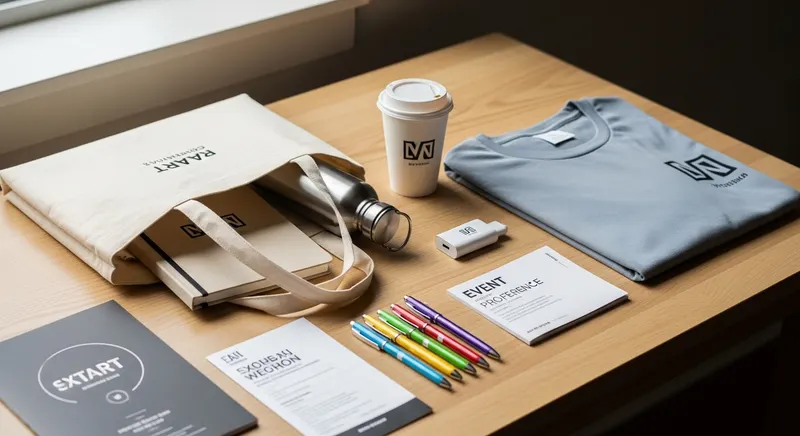
Planning a conference is no small undertaking. Between booking venues, coordinating speakers, managing registrations, and sorting catering, it’s easy for merchandise to become an afterthought. But here’s the thing — the branded products you hand delegates at your next event can be one of the most powerful marketing tools in your entire budget. Done well, conference merchandise travels home with attendees, sits on desks, gets used daily, and keeps your brand front of mind long after the closing keynote. Done poorly, it ends up in the bin before delegates reach the car park. This guide walks you through everything you need to know to get it right.
Why Conference Merchandise Still Matters in 2026
In an era of digital everything, you might wonder whether physical branded products still hold their weight. The answer, consistently, is yes. Studies into promotional product effectiveness continue to show that tangible items create stronger recall than digital impressions alone. When a Sydney marketing executive pulls out a branded keep cup every morning, or a Melbourne HR professional reaches for a custom notebook during a team meeting, your brand is doing quiet, consistent work.
Conference merchandise serves several distinct purposes. It reinforces your event branding and theme. It rewards attendees for participating. It acts as a walking advertisement when products are used in public. And for sponsors, branded merchandise is a key part of the value proposition they’re paying for. Understanding these layers helps you build a merchandise strategy rather than just ordering a pile of pens.
That said, not all merchandise is created equal. The shift in recent years has been decisively toward products that are genuinely useful, well-made, and aligned with the values of the audience receiving them. Throwaway trinkets have largely given way to considered, practical items — and your delegates will notice the difference.
Planning Your Conference Merchandise Strategy
Before you browse a single product catalogue, spend time defining your brief. A clear strategy will save you money, reduce stress, and produce far better outcomes.
Know Your Audience
A medical conference in Brisbane will call for very different merchandise to a tech startup summit in Melbourne or a government leadership forum in Canberra. Think about the demographics of your delegates. Are they executives who travel frequently? Young professionals who commute by bike? Field workers who spend their days outdoors? The answers should directly inform what you order.
For a corporate finance conference, quality over quantity makes sense — fewer items, but each one premium and considered. For a large university student event, value for money and fun factor might take priority. Take the time to genuinely profile who will be receiving these products.
Set a Realistic Budget
Conference merchandise budgets vary enormously. A general guideline is to allocate between $15 and $50 per delegate for a mid-tier corporate event, though premium conferences can justify $80–$150 per head. Knowing your per-delegate spend upfront helps you build a sensible product mix.
Don’t forget to factor in decoration costs (setup fees, screen printing, embroidery charges), packaging, freight to the venue, and any storage or fulfilment costs if you’re pre-packing bags. These ancillary costs can add 15–25% on top of product prices if you’re not careful.
It’s also worth understanding seasonal promotional product purchasing patterns in Australia — conference season peaks in autumn and spring, which means suppliers are often busiest between March–May and August–October. Ordering early during these periods protects your lead times and pricing.
Lead Times and Ordering Timelines
This is where many conference organisers come unstuck. Standard decorated merchandise typically requires 10–15 business days from artwork approval to delivery. If you’re ordering custom apparel, complex embroidery, or products with intricate full-colour decoration, allow 15–20 business days as a minimum.
For large conferences with tight turnarounds, it’s worth asking your promotional products suppliers about rush production options. Some categories — particularly printed stationery and basic apparel — can move faster than others. For events in South Australia, there are even same-day promotional product printing options in Adelaide for true emergencies, though this is best avoided through good planning.
Choosing the Right Products for Your Conference Delegate Bag
The delegate bag itself is a canvas. What you fill it with tells delegates exactly how much thought you’ve put into their experience. Here’s a breakdown of the product categories that consistently perform well at Australian conferences.
Drinkware: Always a Safe Bet
Custom drinkware is among the most universally appreciated conference merchandise categories. Quality branded water bottles are used daily by active, health-conscious delegates — and they’re particularly popular at wellness, fitness, and health sector conferences. For more corporate or early-morning focused events, branded travel mugs and coffee cups are a reliable choice, especially given how many Australians depend on their morning brew.
The key here is quality. A flimsy, leaking water bottle reflects poorly on your brand. Invest in double-walled stainless steel or BPA-free options with reliable lids, and you’ll have delegates using your branded product for years.
Bags and Totes
The bag that carries everything else is itself a piece of merchandise. A well-designed tote bag or backpack with clean branding can become a delegate’s everyday carry item. For conferences running over multiple days, a functional backpack with a padded laptop compartment is a premium option that many delegates genuinely value.
Tote bags work particularly well at trade expos, community events, and environmental or sustainability conferences. Choose a quality material — canvas or recycled PET — rather than the flimsiest option in the catalogue.
Tech Accessories
Tech products are consistently among the highest-perceived-value merchandise at conferences. Promotional USB sticks are a classic choice — load them with conference materials, speaker presentations, or sponsor content to add genuine utility. If you want something more memorable, novelty USB flash drives in custom shapes can align with your event theme. A USB extender cable is a surprisingly practical item that gets used long after the event.
For a broader look at what’s resonating in this category, our overview of tech promotional gadget trends in Australia for 2026 covers the latest options worth considering for your delegate pack.
Stationery and Notebooks
Never underestimate the value of quality branded stationery at a conference. Delegates are there to learn and take notes — a well-crafted branded notebook or sticky notepad reinforces that purpose and keeps your branding visible throughout the event. Our overview of promotional stationery trends in Australia highlights the shift toward premium, eco-conscious stationery that delegates are genuinely pleased to receive.
A branded pen remains one of the most cost-effective items in the conference merchandise mix. For those who want to explore more stationery options, browsing a stationery shop focused on branded products will reveal a huge range of options across different price points.
Apparel
Branded apparel works particularly well for conference staff and volunteers, helping attendees easily identify who to approach for help. Custom printed t-shirts are cost-effective for casual or youth-focused events, while branded work polo shirts are more appropriate for professional corporate conferences. If your event runs outdoors or into cooler evening sessions, consider a custom jacket for a premium add-on.
Decoration Methods: Making Your Branding Look Professional
The way your logo or design is applied to products matters enormously. The wrong decoration method on the wrong product can look cheap or unprofessional, even if the product itself is quality.
- Embroidery suits polo shirts, caps, bags, and jackets. It looks premium and durable, but works best with simpler logos — fine detail can be lost.
- Screen printing is ideal for t-shirts, totes, and flat surfaces with one to four colours. High-quality and cost-effective in volume.
- Sublimation enables full-colour, all-over designs and works well on polyester apparel and drinkware.
- Laser engraving is perfect for metal drinkware, USB drives, pens, and awards. It produces a sophisticated, permanent result.
- Pad printing suits pens and small hard items where precision is needed.
Always request a digital proof before approving production, and if budget allows, order a pre-production sample for premium items.
Adding Impact at the Event Itself
Conference merchandise isn’t limited to delegate bags. Think about how branded products extend throughout the event experience.
Teardrop banners and pull-up displays branded for sponsors or sessions add visual impact to the venue. Custom stickers and decals work brilliantly at younger-skewing events — they’re inexpensive, versatile, and delegates actively collect and use them. A well-designed trade show stand setup with complementary branded merchandise creates a cohesive, professional impression that sponsors and exhibitors appreciate.
Don’t overlook weather contingencies either. If your conference has outdoor components — networking drinks, field trips, or open-air sessions — branded umbrellas with logos are a practical and appreciated addition to your merchandise plan.
Working With Your Supplier
Clear communication with your merchandise supplier is essential. Provide your logo in vector format (AI, EPS, or high-resolution PDF), confirm PMS colour codes if you need precise colour matching, and always clarify the minimum order quantities upfront. MOQs vary considerably — some drinkware items require 50 units minimum, while apparel and tech items may start at 25 units for decorated products.
Ask about packaging options. Products that arrive in custom boxes or tissue-wrapped in branded bags feel far more premium than items loose in a shipping carton. For high-end corporate conferences in cities like Perth, Adelaide, or Hobart, that unboxing moment matters.
Conclusion: Key Takeaways for Your Next Event
Great conference merchandise isn’t about spending the most money — it’s about making thoughtful decisions that serve your audience and extend your brand’s reach. Here’s what to carry away from this guide:
- Start planning early. Allow a minimum of four weeks for standard decorated merchandise, and account for supplier lead times during peak conference seasons.
- Quality beats quantity. Two or three genuinely useful, well-made items will outperform a bag stuffed with forgettable trinkets every time.
- Match products to your audience. A tech crowd will appreciate USB accessories and power banks; a wellness conference calls for quality drinkware and eco products.
- Get your artwork right. Always supply vector files and request proofs before approving production runs.
- Think beyond the bag. Branded signage, apparel for staff, and interactive elements like stickers all contribute to a cohesive conference merchandise experience.
With the right strategy and a clear brief, conference merchandise becomes a genuine asset — one that keeps your brand working hard long after the event itself is over.