
How to Order a Custom Water Bottle That People Actually Use and Keep
Discover how to design and order custom water bottles for Australian businesses, schools, and events — with expert tips on decoration, MOQs, and budgets.

Written by
TJ Campbell
Drinkware
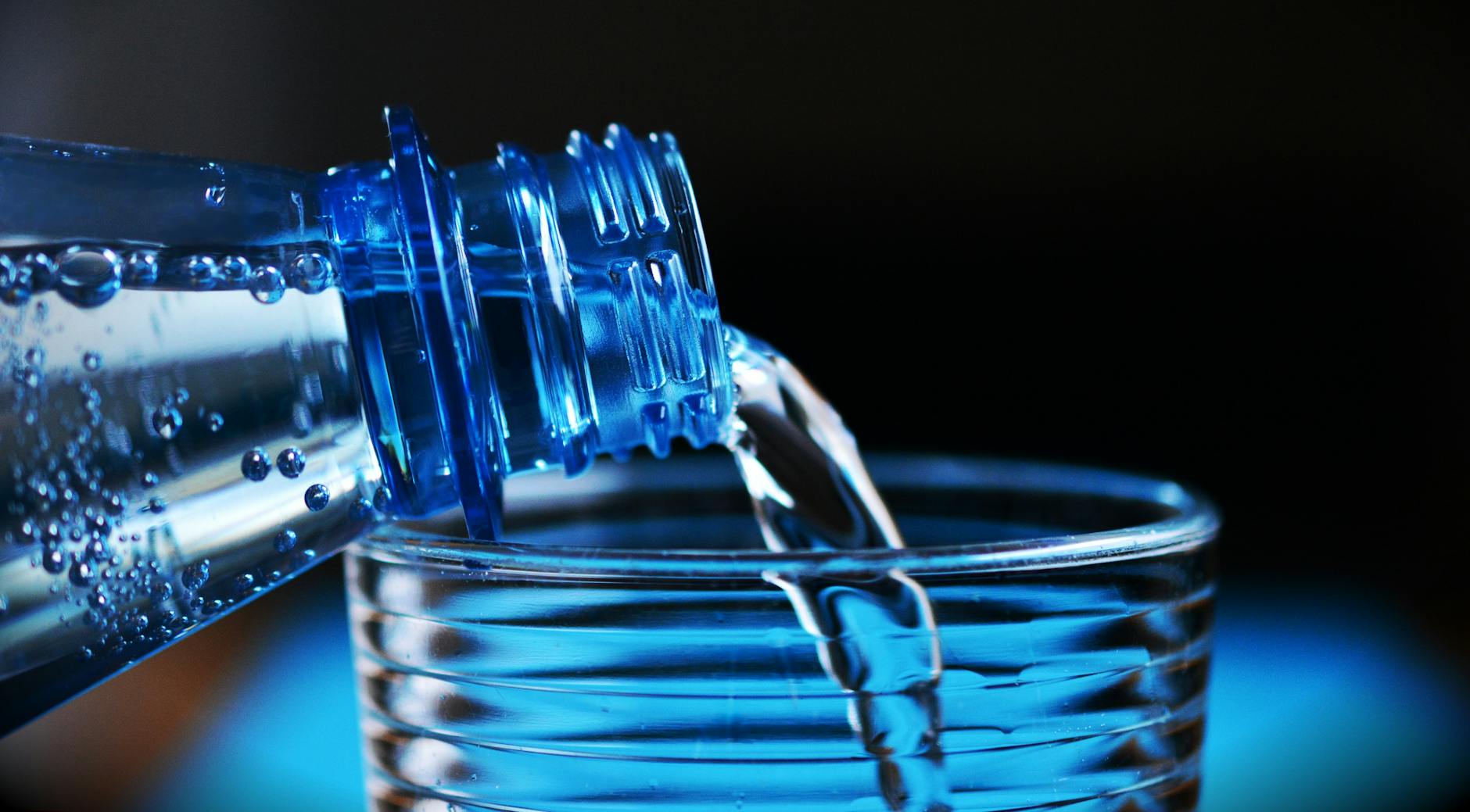
Whether you’re planning a corporate conference in Sydney, gearing up for a school sports carnival in Brisbane, or looking for a practical staff gift to send out across multiple offices, a custom water bottle is one of the most universally useful branded products you can invest in. People carry them to the gym, the office, the beach, and the school oval. They sit on desks during meetings and pop up in Instagram photos at the gym. Unlike a branded pen that ends up in a drawer, a quality water bottle with your logo on it travels — and every time it does, so does your brand.
But not all custom water bottles are created equal. Get the product choice, decoration method, or brief wrong, and you’ll end up with a batch of products that nobody reaches for. Get it right, and you’ve got a promotional product that delivers genuine, lasting brand exposure. This guide will walk you through everything you need to know to order a water bottle custom to your organisation — from choosing the right material to understanding turnaround times and budget considerations.
Why Custom Water Bottles Continue to Dominate Branded Merchandise
There’s a reason water bottles consistently rank among the top-performing promotional products year after year. According to data explored in our overview of the promotional products industry in Australia, drinkware generates some of the highest retention and recall rates of any product category. People don’t just accept a water bottle — they actually use it, often daily, for months or even years.
The other major factor driving demand in 2026 is sustainability. Reusable water bottles align directly with the shift away from single-use plastics, which means they carry positive brand associations that disposable alternatives simply can’t match. For schools, councils, universities, and environmentally-conscious corporate teams, handing out a reusable bottle sends a clear message about your values.
There’s also the practical element: water bottles suit almost every audience. A Canberra government department sourcing delegate gifts for a policy conference, a Gold Coast fitness studio welcoming new members, a Perth primary school raising funds for the P&C — all of them can benefit from a well-chosen custom water bottle. For a broader look at how promotional products perform across different Australian industries, it’s also worth checking our guide to promotional items for business.
Choosing the Right Type of Custom Water Bottle
Before you even think about your logo, you need to decide on the product itself. The water bottle market has expanded significantly, and the right choice will depend on your audience, your budget, and how the bottles will be used.
Stainless Steel Insulated Bottles
Stainless steel vacuum-insulated bottles are the premium end of the market. They keep drinks cold for 24 hours and hot for up to 12, which makes them genuinely appealing — not just as promotional items, but as products people would buy themselves. Popular capacities sit around 500ml and 750ml.
These are ideal for corporate gifting, staff rewards, conference packs, and university orientation kits. They’re also well-suited to sporting clubs and outdoor organisations. The price point is higher (generally $15–$45 each at quantity, depending on the brand tier and features), but the perceived value is significant. If your promotional products budget allows for it, stainless steel is hard to beat.
BPA-Free Plastic Bottles
Plastic bottles are a practical, cost-effective option that works well for schools, charity events, and large-scale giveaways where volume matters. Modern BPA-free plastics are durable, lightweight, and available in a wide variety of colours and styles. They’re a popular choice for promotional giveaways at charity runs and community events where you might need hundreds of units at a lower price point.
Budget expectations: typically $5–$15 each at standard quantities, with pricing dropping further at higher volumes.
Glass and Ceramic Bottles
Glass bottles have carved out a niche in the corporate wellness and gifting space. They look premium, photograph well, and are popular for desk gifting, welcome kits, and health-focused organisations. They require more care in transit and packaging, but for the right audience — think a Melbourne health startup or an Adelaide wellness centre — they’re a standout choice.
Collapsible and Soft Flasks
For running events, adventure companies, travel packs, and outdoor expos, collapsible silicone bottles are a smart option. They pack down when empty and appeal to an active, outdoors-oriented audience. Worth considering if you’re sourcing items for outdoor corporate events.
Decoration Methods for Custom Water Bottles
This is where many organisations get caught out. The decoration method you choose affects the final look, the durability of the branding, and the cost. Here’s a quick breakdown:
Laser Engraving
Laser engraving removes a thin layer of the surface material to reveal the metal or contrasting colour beneath. On stainless steel bottles, it produces an exceptionally clean, permanent finish. There’s no ink to fade or peel — which makes it the preferred method for premium gifts. The trade-off is that it’s typically a single-colour finish, so it suits logos and text-based branding better than full-colour artwork.
Screen Printing
Screen printing works well on plastic bottles and delivers vibrant, solid-colour prints at a reasonable cost. It’s best suited to simple logos with limited colours, and it’s cost-effective at higher volumes due to setup costs being spread across the run. Most suppliers set MOQs of 50–100 units for screen printing on bottles.
Pad Printing
Pad printing transfers ink via a silicone pad and is commonly used for curved or irregular surfaces — which applies to many bottle shapes. It’s versatile and affordable, particularly suited to plastic bottles and limited-colour logos.
Digital Printing and Full-Colour Wraps
If your artwork involves gradients, photography, or complex full-colour designs, digital printing or full-wrap sublimation is the way to go. This method is particularly effective on light-coloured plastic or aluminium bottles and allows for photo-quality results. It’s popular for schools creating fun, illustrated bottles for sports days or school camps.
For a deeper understanding of how decoration decisions work across product types, our guide to printing on t-shirts covers many of the same principles around colour matching, artwork file preparation, and print quality.
Key Ordering Considerations
Minimum Order Quantities
MOQs vary by supplier and product type. As a general guide:
- Plastic bottles: 50–100 units (some suppliers accept 25)
- Stainless steel bottles: 25–100 units depending on the decoration method
- Premium insulated bottles with engraving: sometimes 12–25 units
If you’re sourcing across multiple branches or locations, it’s worth reading up on promotional product warehousing for multi-location businesses to understand how to manage stock and distribution efficiently.
Turnaround Times
Standard production for custom water bottles runs 10–15 business days from artwork approval, with freight on top. If you’re ordering from a warehouse interstate — say, products being shipped to Darwin or Hobart from a Sydney supplier — factor in additional transit time. Rush orders are sometimes available for an additional fee, but they require final artwork to be approved quickly.
Artwork and File Requirements
Most suppliers require vector files (AI, EPS, or high-resolution PDF) for logo artwork. Raster images (JPGs and PNGs) can sometimes be used for digital printing but are generally not suitable for engraving or screen printing. Always request a digital proof before approving your order — check spelling, sizing, and colour carefully, as changes after production begins can be costly.
For PMS colour matching, be sure to provide specific Pantone numbers if brand consistency is critical. This is especially important for government departments, established brands, and franchise networks.
Budgeting Your Water Bottle Order
Cost per unit drops considerably at higher quantities. As a rough guide, expect:
- Budget plastic bottles: $5–$10 each at 100 units
- Mid-range insulated bottles: $18–$30 each at 100 units
- Premium stainless steel with engraving: $28–$50 each at 50 units
Setup fees are common, typically ranging from $30–$80 per colour/position for screen printing and pad printing. Engraving setup is often included in the unit price. Shipping adds to the overall cost, particularly for heavier stainless steel products at volume.
To see how these costs compare across the broader promotional products landscape, the promotional products industry statistics for 2026 provide useful context around average spend and product performance.
Specific Use Cases Worth Considering
Custom water bottles work particularly well in the following scenarios:
- Corporate onboarding packs: Pair a branded bottle with a custom notebook or stationery item for a polished welcome kit
- School fundraising: Consider water bottles alongside other fundraising products like personalised phone cases
- Trade show and expo giveaways: A premium bottle at your trade show stand creates a memorable impression compared to low-cost throwaway items
- Real estate client gifts: Branded bottles work well as part of settlement or referral gift packs — check our post on promotional products for real estate businesses in Perth for more ideas
- Charity and not-for-profit events: Reusable bottles reinforce sustainability messaging at community events and fundraisers
Finding the Right Supplier
Not all promotional product suppliers are equal when it comes to drinkware. When evaluating options, look for suppliers who can provide physical samples before full production (sample fees typically apply but are often credited back against your order), offer clear information about the materials and food-grade compliance, and can show examples of finished work.
Our guide to finding reliable promotional products suppliers covers what to look for in a supplier relationship, including lead times, quality guarantees, and reorder processes.
Conclusion: Getting Your Water Bottle Custom Order Right
A well-chosen, well-branded custom water bottle is one of the most effective promotional investments an Australian organisation can make. It’s practical, sustainable, and genuinely appreciated — whether it’s going to a school student on sports day, a new employee on their first week, or a conference delegate in Melbourne. The keys to getting it right are choosing a product that suits your audience, selecting the decoration method that best represents your brand, and planning your timeline to avoid rushed orders and unnecessary costs.
Here are the key takeaways to keep in mind:
- Match the product to the audience — stainless steel for corporate gifts, BPA-free plastic for school and charity events, glass for wellness and premium gifting contexts
- Choose your decoration method based on your artwork — laser engraving for premium longevity, digital printing for full-colour complexity, screen or pad printing for bold, simple logos
- Plan for MOQs and lead times early — standard production takes 10–15 business days plus freight, so factor that into your event or campaign timeline
- Request a proof before approving production — check every detail, including colour, sizing, and spelling, before signing off
- Budget for setup fees and freight — these can add meaningfully to the per-unit cost, particularly at lower volumes
With the right approach, your water bottle custom order can become one of the most long-lasting and visible brand touchpoints your organisation produces all year.