
T-Shirt Printing in Australia: The Complete Guide for Businesses and Schools
Everything you need to know about t-shirt printing in Australia — decoration methods, MOQs, budgets, and tips for businesses and schools.

Written by
Riley Singh
Custom Apparel
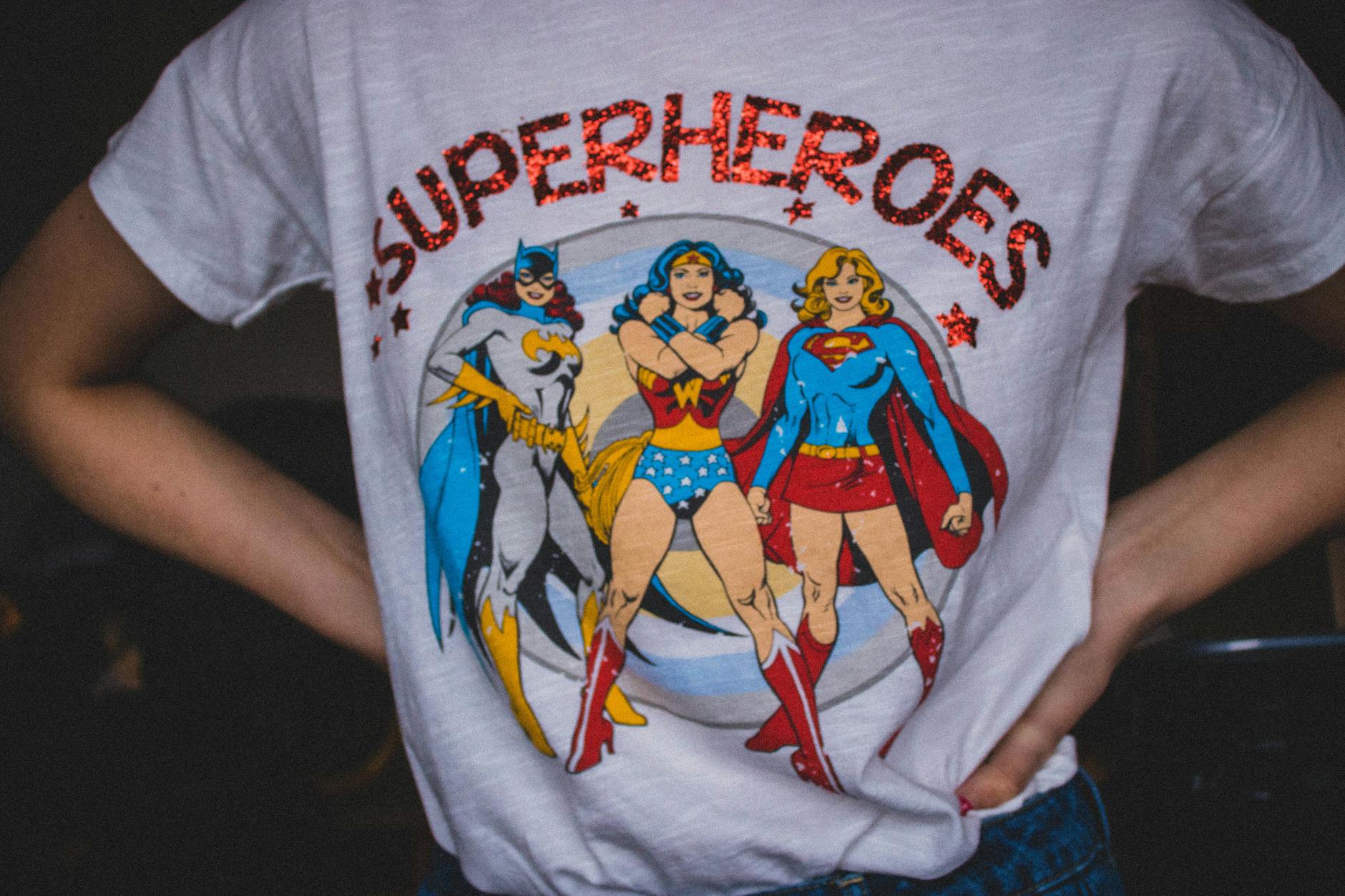
Getting a great t shirt print sounds straightforward — slap a logo on a tee and you’re done, right? In reality, the process involves far more decisions than most organisations realise, and the choices you make early on can dramatically affect the final result, your budget, and your timeline. Whether you’re a Sydney corporate team ordering uniforms for a product launch, a Brisbane primary school planning custom sports day shirts, or an Adelaide events company kitting out volunteers for an expo, understanding how t-shirt printing works is essential. This guide walks you through everything you need to know — from decoration methods and artwork requirements to minimum order quantities, turnaround expectations, and pro tips that experienced buyers always wish they’d known sooner.
Why T-Shirt Printing Remains One of Australia’s Most Popular Branded Merchandise Options
Despite the explosion of promotional products in Australia across dozens of categories, custom-printed t-shirts remain a perennial favourite. They’re wearable billboards. They build team identity. They’re cost-effective at scale. And unlike a branded pen or a sticky notepad that ends up in a drawer, a well-designed t-shirt actually gets worn — in public, repeatedly, and often for years.
According to the broader promotional products industry statistics for 2026, wearables consistently rank among the highest-performing promotional items for brand recall and audience reach. It’s not hard to see why. A t-shirt worn at a community event, a school sports carnival, or a corporate team day puts your brand in front of hundreds of eyes for a fraction of the cost of digital advertising.
The appeal spans sectors. Government departments in Canberra use them for community events. Real estate agencies use branded tees for open-home days. Schools across Queensland, Victoria, and Western Australia use them for everything from swimming carnivals to school camps. Sporting clubs from Darwin to Hobart use them as training and fan merchandise. The use cases are virtually endless.
Understanding Your T-Shirt Print Options: Decoration Methods Explained
Choosing the right decoration method is arguably the most important decision in the entire process. Each technique suits different artwork styles, fabric types, quantities, and budgets. Here’s a breakdown of the main options available in Australia.
Screen Printing
Screen printing is the industry workhorse for bulk t-shirt orders. It’s a process where ink is pushed through a mesh screen onto the fabric — one colour per screen, one pass at a time. The result is bold, vibrant, and durable. For organisations ordering 50 or more shirts with a logo that uses a limited number of colours, screen printing is almost always the most cost-effective approach.
The key considerations are setup fees and colour limitations. Each colour in your design requires its own screen, so a six-colour design will cost significantly more to set up than a two-colour design. However, once the screens are made, the per-unit cost drops sharply with volume, which is why this method shines for large runs. Typical MOQs for screen printing start around 24–50 pieces, depending on the supplier.
Embroidery
Embroidery is better suited to polos, hats, and corporate workwear than standard t-shirts, though it can certainly work on heavier tee fabrics. The design is stitched directly into the garment using thread, creating a premium, textured finish that communicates quality. If your organisation is considering both printed tees and embroidered polos, you might find our guide to work polo shirts a helpful companion read.
Embroidery suits simple logos and text rather than complex, photographic artwork. The digitisation process (converting your artwork into a stitch file) involves a one-off setup fee, but it’s reusable across future orders.
Direct-to-Garment (DTG) Printing
DTG printing uses inkjet technology to print directly onto the fabric, much like printing on paper. It excels at reproducing complex, multi-colour designs, gradients, and photographic images without the per-colour cost of screen printing. It’s ideal for short runs — even single units — making it a popular choice for personalised shirts or small batch orders.
The trade-off is cost per unit. DTG is typically more expensive than screen printing at high volumes, and it performs best on 100% cotton fabrics. For an organisation ordering 200+ identical shirts, screen printing will almost always be cheaper.
Heat Transfer and Sublimation
Heat transfer involves applying a pre-printed design to the fabric using heat and pressure. Sublimation, a type of heat transfer, embeds the ink into the fibres themselves (rather than sitting on top) for a seamless, all-over print effect. Sublimation works best on polyester fabrics and is widely used for sports jerseys and performance activewear.
For events, trade shows, or organisations wanting edge-to-edge coverage, sublimation delivers stunning results. It’s particularly popular with sporting clubs and events teams across Melbourne and the Gold Coast.
Planning Your T-Shirt Print Project: Key Decisions to Make
Choosing the Right Garment
The shirt itself matters as much as the print. Key considerations include:
- Fabric weight: Heavier fabrics (180–200gsm) feel more premium and hold prints better. Lighter fabrics suit hot-climate events in Queensland and the Northern Territory.
- Fit and cut: Standard, fitted, or relaxed? Consider your audience’s demographics and preferences.
- Colour: Dark garments require special inks or underbase printing in screen printing, which can affect cost. DTG also prints differently on dark fabrics.
- Material: 100% cotton is ideal for most print methods. Blended fabrics can affect how inks absorb.
Artwork Requirements
Poor artwork is one of the leading causes of delays and disappointment in custom t-shirt orders. Most professional printers require vector files (typically AI, EPS, or high-resolution PDF formats) for screen printing and embroidery. For DTG, high-resolution raster files (300dpi or higher PNG/TIFF) are acceptable.
Common issues include:
- Low-resolution logos pulled from websites (72dpi is not print-ready)
- Fonts that haven’t been converted to outlines
- Artwork with too many fine details for certain decoration methods
If your artwork isn’t print-ready, a good supplier will typically help you prepare it — but be aware this may involve additional artwork fees and can extend your turnaround time.
Budgeting Realistically
For a standard screen-printed t-shirt in Australia, you might expect to pay anywhere from $8 to $20+ per unit depending on the garment quality, number of print colours, and order quantity. Setup fees typically range from $30 to $80 per colour per print position.
Here’s a rough guide:
- Small run (24–50 units): Higher per-unit cost due to setup fees
- Mid-range run (100–250 units): Significant price breaks begin
- Large run (500+ units): Best per-unit pricing, especially for single or two-colour prints
If you’re ordering across multiple product categories for an event — say, printed tees alongside custom water bottles or travel mugs — bundling orders with a single supplier can often unlock better overall pricing.
T-Shirt Printing for Specific Sectors and Use Cases
Businesses and Corporates
Corporate t-shirt printing is common for trade shows, product launches, volunteer days, and company events. For trade show applications specifically, t-shirts are often paired with other branded collateral — check out our overview of trade show stand essentials for a fuller picture of how custom apparel fits into an event strategy.
Melbourne and Sydney businesses frequently combine branded tees with tech promotional gadgets and stationery items for comprehensive event or onboarding packs.
Schools and Educational Institutions
Schools represent one of the highest-volume segments for custom t-shirt printing in Australia. Year 12 graduation shirts, sports carnival tees, school camp shirts, and fundraising merchandise are all common applications. Parent-run committees in Adelaide and Perth often manage these orders on behalf of the school, so clear communication with suppliers about same-day or rush printing options and proof approval timelines is critical.
For schools ordering branded merchandise beyond t-shirts, it’s worth exploring broader promotional product trends and stationery options that complement a school merch range.
Events, Expos, and Conferences
Events teams often need t-shirts on tight timelines. Understanding seasonal purchasing patterns can help you avoid the bottlenecks that occur when many organisations are ordering simultaneously — particularly in the lead-up to EOFY, Christmas, and the back-to-school period.
Practical Tips From Experienced Promotional Product Buyers
- Order samples before committing to a large run. A physical sample helps you assess garment quality, print fidelity, and sizing accuracy before you’re locked in.
- Always approve a digital proof before production begins. This protects both you and the supplier.
- Build in buffer time. Most standard t-shirt print runs require 10–15 business days. Rush orders are possible but attract premium pricing.
- Communicate your colour requirements precisely. Use Pantone (PMS) colour codes where possible to ensure your brand colours are matched accurately.
- Ask about washability and care instructions. This is particularly important for school uniforms or workwear that will be laundered frequently.
For organisations managing merchandise across multiple locations or sites, promotional product warehousing solutions can streamline how finished stock is stored and distributed.
If you’re new to the broader promotional products space and want to understand how to evaluate suppliers, our overview of promotional product suppliers in Australia is a useful starting point.
Conclusion: Making the Most of Your T-Shirt Print Investment
A well-executed t shirt print project can deliver outstanding value — building brand visibility, fostering team cohesion, and creating memorable experiences for staff, customers, or students. But achieving that result requires thoughtful planning well before you place your order.
Here are the key takeaways to carry forward:
- Choose your decoration method based on your artwork, quantity, and fabric type — screen printing suits large runs, DTG suits small runs and complex designs, and sublimation is ideal for all-over polyester prints.
- Invest in print-ready artwork upfront to avoid costly delays and disappointment at the proof stage.
- Plan your timeline carefully, allowing at least two to three weeks for a standard order, and longer during peak seasons.
- Compare total cost of ownership, factoring in garment quality, setup fees, and per-unit pricing rather than focusing on the lowest advertised price alone.
- Bundle your merch orders where possible to maximise pricing leverage and streamline your project management across categories.
Whether you’re ordering 30 shirts for a Gold Coast charity fun run or 500 tees for a national corporate roadshow, understanding the fundamentals of t-shirt printing puts you firmly in control of the outcome.