
The Complete Guide to Printing on T-Shirts for Australian Businesses and Schools
Discover the best methods for printing on t-shirts in Australia — from screen printing to sublimation — with tips on costs, MOQs, and artwork.

Written by
Riley Singh
Custom Apparel
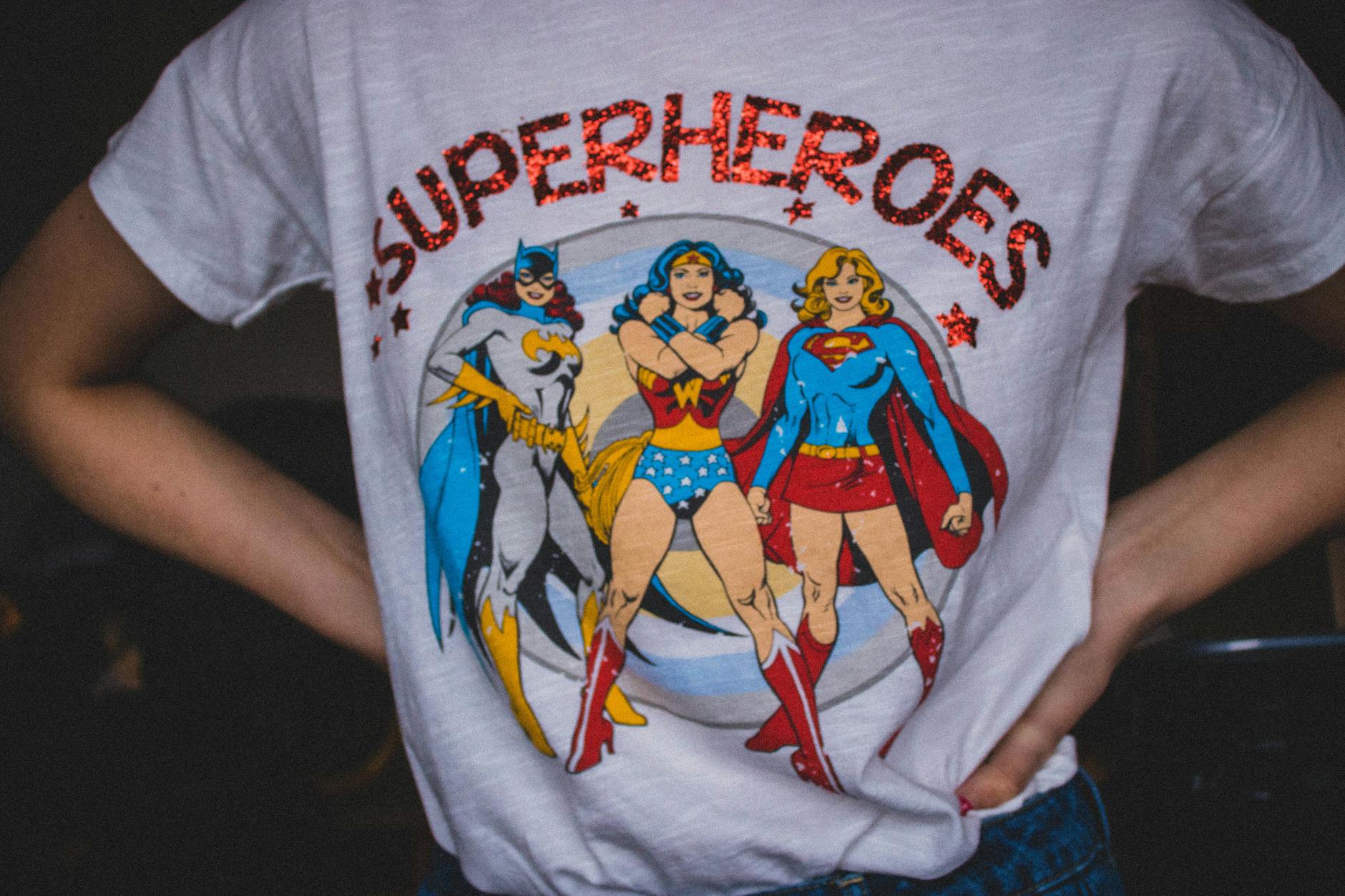
Whether you’re outfitting a team for a corporate fun run, kitting out staff for a trade show, or ordering custom shirts for a school sports carnival, printing on t-shirts is one of the most effective — and enduring — ways to get your brand, message, or logo in front of people. There’s a reason custom t-shirts remain one of the top-selling promotional products in Australia year after year. They’re wearable, versatile, and when done well, genuinely something people want to wear. But navigating the world of t-shirt printing can feel overwhelming, especially with so many decoration methods, fabric types, and suppliers to consider. This guide breaks it all down so you can make informed decisions, avoid costly mistakes, and end up with a result you’re proud of.
Why Printing on T-Shirts Works So Well as a Promotional Strategy
Before diving into the how, it’s worth understanding the why. Custom printed t-shirts deliver outstanding value as a promotional tool because they create repeated brand impressions over a long period of time. Unlike a flyer that gets tossed or a digital ad that disappears in seconds, a well-made branded shirt gets worn repeatedly — on weekends, at the gym, during school events, around the neighbourhood.
According to data explored in our overview of the promotional products industry in Australia, wearables consistently rank among the most impactful promotional categories in terms of cost-per-impression. And the latest promotional products industry statistics for 2026 reinforce this — branded apparel generates more impressions per item than almost any other category.
From a Sydney corporate team building a cohesive brand presence at a conference, to a Brisbane primary school ordering shirts for their annual athletics carnival, the use cases are genuinely endless. The key is choosing the right printing method and product for your specific needs.
The Main Methods for Printing on T-Shirts
Not all printing methods are created equal. Each has different strengths depending on your artwork, fabric type, order quantity, and budget. Here’s what you need to know about each approach.
Screen Printing
Screen printing is the most widely used method for bulk t-shirt orders in Australia, and for good reason. It produces vibrant, durable results that hold up wash after wash. The process involves creating a stencil (or “screen”) for each colour in your design, then pushing ink through onto the fabric.
It’s best suited to:
- Simple designs with bold, flat colours (think logos, text, or icons)
- Large orders — typically 50 pieces or more, where the cost of screen setup is spread across the run
- 100% cotton or cotton-blend fabrics
One thing to factor in is setup fees. Each colour requires a separate screen, so a five-colour design will cost more to set up than a two-colour one. For a Perth sporting club ordering 150 shirts in two colours, screen printing offers outstanding value. For a small run of 20 shirts in six colours? Less so.
Direct-to-Garment (DTG) Printing
DTG printing works similarly to a desktop inkjet printer but on fabric. It excels with complex, photographic, or full-colour artwork and doesn’t require screens or setup fees per colour. This makes it ideal for smaller runs or highly detailed designs.
The trade-off is that DTG works best on 100% cotton garments and can produce slightly softer colour vibrancy compared to screen printing on large runs. It’s a popular choice for:
- Short runs of 1–50 pieces
- Personalised items (e.g. names and numbers on individual shirts)
- Complex, multicolour or gradient artwork
Sublimation Printing
Sublimation involves infusing dye directly into polyester fabric using heat and pressure. The result is a full-colour, edge-to-edge print with incredible detail that won’t crack, peel, or fade. It’s the go-to method for sports uniforms and performance wear.
However, sublimation only works on white or very light-coloured polyester fabrics, so it’s not suitable for standard cotton tees. A Gold Coast netball club ordering custom playing jerseys? Sublimation is perfect. A Canberra government department ordering navy cotton staff polos? Not the right fit.
Heat Transfer Vinyl (HTV)
Heat transfer vinyl involves cutting a design from coloured vinyl sheets and pressing it onto the garment with heat. It’s well-suited for small quantities, names and numbers, or simple logos. The downside is that it’s less durable than screen printing or sublimation over time — not ideal for garments that will be washed heavily.
Embroidery
While technically not “printing,” embroidery is worth mentioning here because it’s often considered alongside print methods. It uses threaded stitching to apply a logo or design and is particularly effective on polos, caps, and workwear. If your brand calls for a premium, professional look, embroidery delivers it. For high-volume or complex artwork across a large print area, other methods will serve you better.
Choosing the Right T-Shirt Before You Print
The garment itself matters just as much as the decoration method. A few key considerations:
Fabric weight: Heavier fabrics (180gsm and above) tend to print better and feel more premium. Lightweight shirts suit event giveaways; heavier options suit uniforms and staff apparel.
Fabric composition: As outlined above, your fabric type determines which printing methods are available to you. Cotton suits screen printing and DTG; polyester suits sublimation.
Colour: Printing on dark garments requires either underbase layers (screen printing) or special inks, which can affect pricing. Light or white garments give you the most flexibility.
Fit and sizing: Australian organisations increasingly look for unisex, fitted, and relaxed cuts to suit diverse teams. Always request a size chart and, where possible, order a sample before committing to a large run.
Artwork Requirements and Getting Your Design Right
Artwork quality is one of the most common stumbling blocks when ordering custom printed t-shirts. Here’s what suppliers typically need:
- Vector files (.ai or .eps) for screen printing — these scale without losing quality
- High-resolution files (300dpi minimum) for DTG and sublimation
- Pantone (PMS) colour references if exact colour matching is critical for your brand
If you don’t have vector files, many reputable suppliers can redraw your logo for a small fee. Always request a digital proof before approving your order. A proof shows you exactly how your design will look on the garment — review it carefully before signing off, because corrections after production can be costly.
Minimum Order Quantities, Turnaround Times, and Budget Tips
Understanding the practical side of ordering is just as important as the creative side. Here’s a general guide for Australian buyers:
Minimum order quantities (MOQs):
- Screen printing: typically 25–50 pieces minimum
- DTG: often available from as few as 1 piece
- Sublimation: usually 10–25 pieces minimum
Turnaround times: Standard production runs typically take 10–15 business days after artwork approval. Rush options are available from some suppliers for an additional fee, but it’s always safer to plan ahead. For an event in Melbourne or Adelaide, aim to have your order placed at least four weeks out.
Budget considerations: Pricing varies based on quantity, number of print colours, garment quality, and decoration method. Screen printing becomes more cost-effective at higher volumes due to setup amortisation. DTG suits lower volumes where screen setup costs would be prohibitive. Always ask for a tiered pricing breakdown — ordering 100 shirts instead of 75 might not cost much more per unit.
For organisations juggling multiple locations or departments, it’s worth exploring promotional product warehousing solutions for multi-location businesses to streamline stock management across offices or campuses.
Practical Scenarios: Printing on T-Shirts Across Different Sectors
To make this tangible, here are a few real-world examples:
Corporate events and trade shows: A Sydney marketing agency heading to a national expo might order 80 screen-printed tees in the company’s brand colours for their team. Pairing branded shirts with other giveaways — like items featured in our guide to trade show stands and displays — creates a cohesive brand experience.
Schools and education: A Darwin primary school running a fundraising event might combine personalised t-shirts with other initiatives. You could even complement your apparel order with personalised phone cases for school fundraising to diversify your revenue streams.
Charity events and fun runs: For community events like fun runs, branded t-shirts serve double duty as both participant gear and walking advertising. See our article on promotional giveaways for charity runs in Australia for broader ideas on kitting out participants.
Sporting clubs: A Hobart football club might order sublimated playing jerseys plus a run of screen-printed cotton training tees — two different methods for two different purposes, both serving the club’s needs perfectly.
Real estate agencies: For Perth-based agencies looking to build brand recognition in their local community, branded apparel forms part of a broader merch strategy. Our guide on promotional products for real estate businesses in Perth covers this in more detail.
When building out a complete branded merchandise suite, many organisations pair their apparel orders with complementary items — whether that’s custom branded water bottles, promotional notebooks, or tech gadgets following the latest trends in Australia for 2026.
Working With a Supplier: What to Look For
Choosing the right supplier makes an enormous difference to the outcome. When evaluating options, consider:
- Printing capability: Do they offer the method best suited to your brief?
- Sample availability: Can you order a pre-production sample before committing?
- Artwork support: Do they offer in-house design assistance?
- Transparency on pricing: Are setup fees, freight, and GST clearly itemised?
- Communication: Are they responsive and do they provide proofs in a timely manner?
Our guide to finding reputable promotional products suppliers in Australia is a great resource if you’re still building your supplier shortlist. And if you’re thinking about the bigger picture of your merchandise calendar, reviewing seasonal promotional product purchasing patterns in Australia can help you plan orders — and budgets — more strategically throughout the year.
It’s also worth noting that t-shirts are rarely ordered in isolation. Many organisations build out broader merch packs that might include branded stationery, accessories, or even more niche items depending on the sector. The more cohesive your branded merchandise strategy, the greater the impact.
Conclusion: Key Takeaways for Printing on T-Shirts in Australia
Printing on t-shirts is one of the most versatile, impactful, and cost-effective promotional investments available to Australian organisations. Whether you’re a Melbourne startup building team culture, a Queensland school running a community event, or a national brand preparing for a major conference, the right custom t-shirt can amplify your presence significantly. Keep these key points front of mind:
- Match your decoration method to your design and quantity — screen printing for bulk simple logos, DTG for small runs or detailed artwork, sublimation for polyester performance wear
- Garment quality matters — the fabric, weight, and cut affect both the print result and how often the shirt gets worn
- Always request a proof before approving production, and supply the highest quality artwork files you can
- Plan your timeline carefully — allow at least four weeks from brief to delivery to avoid rushed decisions or premium freight costs
- Think beyond the shirt — custom apparel works best as part of a broader, cohesive branded merchandise strategy that reinforces your identity at every touchpoint