
Custom Print Shirts in Australia: The Complete Ordering Guide for 2026
Everything Australian businesses, schools & event organisers need to know about ordering custom print shirts — from artwork to delivery.

Written by
Riley Singh
Custom Apparel
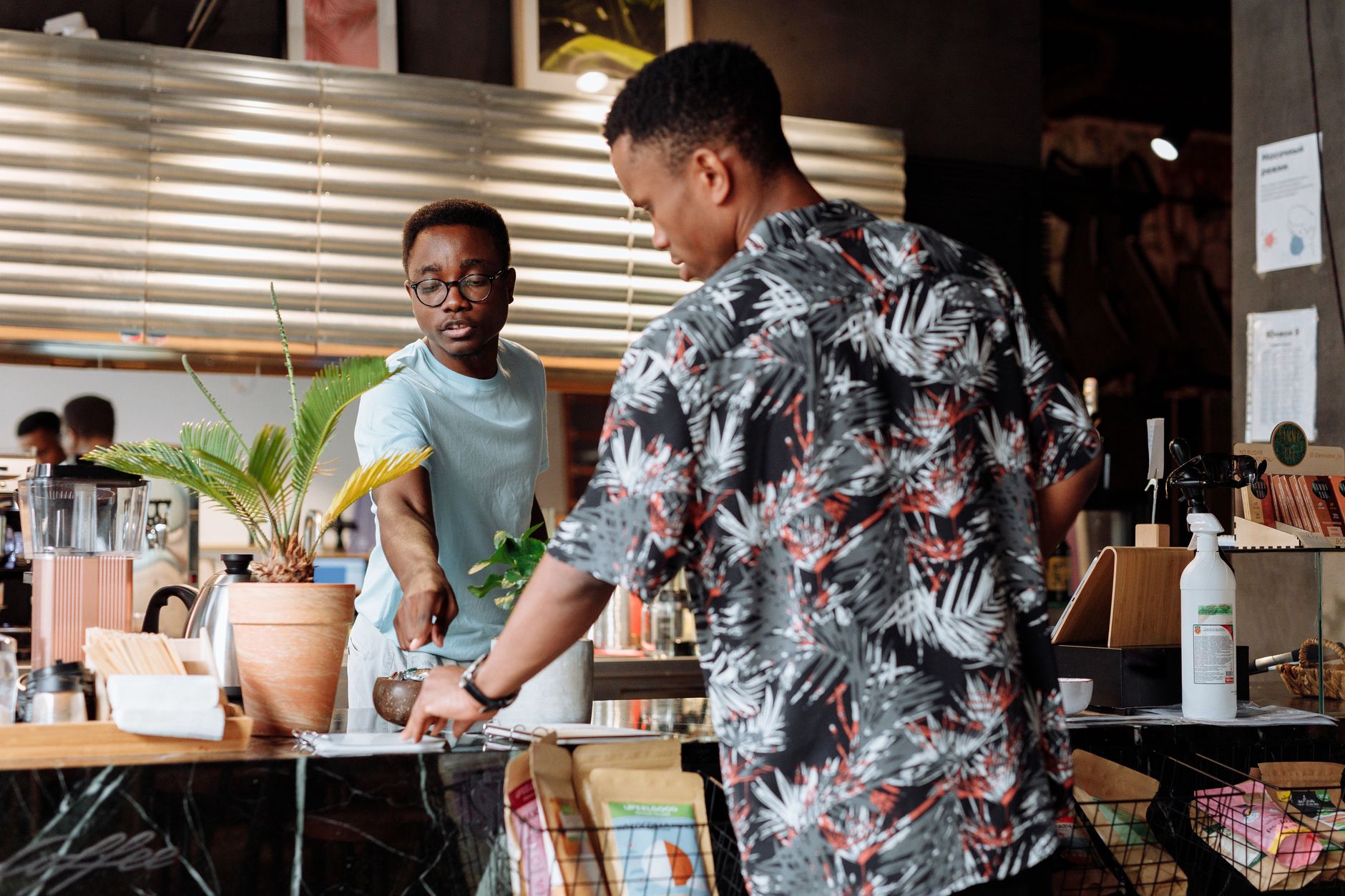
Whether you’re kitting out your team for a trade show in Sydney, preparing students for a school athletics carnival in Brisbane, or simply building brand recognition across your organisation, a custom print shirt in Australia remains one of the most effective and versatile promotional tools available. But with so many decoration methods, fabric options, and suppliers to navigate, the ordering process can feel overwhelming if you haven’t done it before. This guide breaks down everything you need to know — from choosing the right shirt style and print method, to managing timelines and keeping your budget on track.
Why Custom Print Shirts Remain Australia’s Most Popular Branded Apparel
There’s a reason that custom t-shirts, polos, and performance shirts consistently top the promotional products charts. According to data explored in our overview of promotional products industry statistics for 2026, branded apparel generates more impressions per item than almost any other category. A shirt is worn in public, seen by dozens of people daily, and kept for years when the quality is right.
For Australian organisations specifically, the climate plays a role too. With warm weather across much of the country for the better part of the year, lightweight custom print shirts are practical gifts and workwear additions that people genuinely use. A Melbourne corporate team won’t leave branded polos hanging in the wardrobe — they’ll wear them to client meetings, team days, and industry events.
Beyond practicality, there’s the sheer flexibility of the product. Custom print shirts suit:
- Corporate teams needing consistent, professional branding at conferences and events
- Schools ordering personalised shirts for sports days, excursions, and graduations
- Charities and not-for-profits running fundraising campaigns or awareness events
- Sporting clubs across the country needing training and game-day apparel
- Hospitality businesses wanting front-of-house staff to look polished and on-brand
Choosing the Right Shirt Style for Your Custom Print
Before you even think about decoration, you need to select the right garment. The shirt style dictates not only the look and feel of the finished product but also which print methods are most suitable.
T-Shirts
The classic choice. Cotton or cotton-blend t-shirts are the most affordable option and work brilliantly for high-volume orders — think school events, charity runs, or festival merchandise. They’re ideal for screen printing and heat transfer, and they hold vibrant colours well. For a Brisbane primary school ordering custom shirts for their athletics carnival (similar to the kind of event covered in our guide to custom sport medallion sets for school athletics carnivals), a 100% cotton tee at a competitive bulk price is often the perfect solution.
Polo Shirts
Polos offer a more corporate, polished appearance and are a staple in professional environments across industries. They’re particularly popular in Perth and Darwin among trades businesses, real estate agencies, and healthcare organisations. Polo shirts respond well to both embroidery and screen printing, giving you options depending on your brand aesthetic.
Performance and Activewear Shirts
Moisture-wicking, polyester-blend performance shirts have grown significantly in popularity, especially for sporting clubs and fitness brands. These fabrics require specific print methods — sublimation printing is particularly effective here, delivering full-colour, all-over designs that won’t crack or peel with washing.
Hi-Vis Shirts
For organisations in construction, mining, and logistics, custom print hi-vis shirts are a non-negotiable part of the workwear mix. Like the considerations involved in sourcing custom safety gloves for mining operations, hi-vis apparel comes with compliance standards that must be met alongside your branding requirements.
Decoration Methods for Custom Print Shirts in Australia
This is where many buyers get confused — and it’s worth taking the time to understand the differences, because the right print method can make or break the final result.
Screen Printing
Screen printing is the most widely used method for custom print shirts in Australia, and for good reason. It produces sharp, durable, vibrant results at a cost per unit that drops significantly with volume. The typical minimum order quantity (MOQ) for screen printing starts around 20–50 units, though many suppliers prefer runs of 100 or more for optimal pricing.
The catch with screen printing is setup fees — each colour in your design requires a separate screen, which adds to the upfront cost. For designs with one or two colours, it’s extremely cost-effective. For full-colour photographic artwork, it becomes more complex and expensive.
Direct-to-Garment (DTG) Printing
DTG is essentially inkjet printing directly onto fabric and works best for small runs, one-off items, or designs with many colours and gradients. There’s no screen setup required, making it ideal when you need just a handful of custom shirts — perhaps for a small team event in Adelaide or personalised gifts for staff awards.
The trade-off? DTG works best on 100% cotton fabrics and tends to be more expensive per unit at higher volumes than screen printing.
Sublimation Printing
Sublimation bonds ink directly into the fabric fibres, resulting in permanent, all-over prints that are incredibly vibrant. It’s the go-to method for performance apparel, sportswear, and any design that runs edge-to-edge. Because sublimation requires polyester-rich fabrics, it’s not suitable for standard cotton shirts.
Heat Transfer Vinyl (HTV)
HTV involves cutting designs from coloured vinyl and heat-pressing them onto the garment. It’s popular for simple logo applications, individual name and number additions (perfect for sporting teams), and short runs. Durability can be excellent with proper application and quality materials.
Embroidery
While technically not a “print” method, embroidery is worth mentioning because many buyers consider it alongside printing options. Embroidery delivers a premium, textured finish particularly well-suited to polo shirts and corporate uniforms. For a closer look at how decoration choices affect the final result, our guide to debossing services for promotional products in Sydney explores the broader world of tactile branding techniques.
Understanding MOQs, Pricing, and Turnaround Times
One of the most common questions from first-time buyers is: how many do I need to order, and how much will it cost?
Minimum Order Quantities (MOQs) vary by decoration method and supplier. As a general guide:
- Screen printing: 20–50 units minimum, often 100+ for the best pricing
- DTG: as low as 1 unit, though 10+ is more practical for cost efficiency
- Sublimation: typically 20–50 units minimum
- Embroidery: 12–25 units minimum depending on the supplier
Pricing is heavily influenced by quantity. Bulk orders can reduce the per-unit cost dramatically — a shirt that costs $25 each at 50 units might drop to $14 each at 500 units. Always request a tiered quote if you’re unsure of your exact numbers. For context on how ordering timing affects pricing across the year, our analysis of seasonal promotional product purchasing patterns in Australia is worth reading before you commit to a timeline.
Turnaround times for standard custom print shirt orders in Australia typically run 10–15 business days from artwork approval. Rush orders may be available at additional cost, but plan ahead wherever possible — especially for peak periods like end-of-year events, NAIDOC Week, or the back-to-school season.
Getting Your Artwork Right
Poor artwork is the single most common cause of delays and disappointing results. Here’s what to prepare before you place your order:
- Use vector files (.AI, .EPS, or .PDF) wherever possible. These scale without losing quality and are essential for screen printing.
- Provide Pantone (PMS) colour codes if brand colour accuracy is important. This is critical for organisations with strict brand guidelines.
- Clarify placement — chest left, centre chest, full back, sleeve. Provide a mockup if you can.
- Confirm your garment size breakdown in advance. A run of 100 shirts in a single size is rarely what anyone actually needs.
If you’re working with a tight budget or ordering a range of branded items alongside your shirts — such as a custom water bottle, branded phone cover, or even personalised stationery for a conference package — confirm all artwork formats simultaneously to streamline the process.
Eco-Friendly Options for Custom Print Shirts
Sustainability is no longer a niche concern — it’s a mainstream expectation, particularly for organisations in the education and government sectors. Fortunately, the custom apparel market has responded. Organic cotton shirts, recycled polyester blends, and water-based inks are increasingly available through reputable Australian promotional products suppliers.
Our broader guide to eco-friendly promotional items covers the full landscape of sustainable branded merchandise, but specifically for shirts, look for:
- GOTS-certified organic cotton garments
- Recycled polyester options (particularly for performance shirts)
- Suppliers using water-based or PVC-free inks
- Local or ethically sourced manufacturing where available
Pairing eco-friendly shirts with other sustainable products — like the kind of items discussed in our eco-friendly promotional products guide — can strengthen your organisation’s environmental credentials considerably.
Finding the Right Supplier for Your Custom Print Shirt Order
Navigating the Australian promotional products supplier landscape can be tricky. Our guide to promotional products suppliers in Australia outlines what to look for when vetting a supplier — including their sample policy, artwork capabilities, quality guarantees, and delivery reliability.
When shortlisting suppliers, always:
- Request a physical sample before committing to a large run
- Ask for a digital proof (mockup) before production begins
- Confirm what’s included in the setup fee
- Check lead times and whether they hold local stock
Conclusion: Key Takeaways for Ordering Custom Print Shirts in Australia
Custom print shirts are a powerful, high-visibility branding tool for Australian businesses, schools, and organisations of all sizes. Getting the order right comes down to preparation, choosing the appropriate decoration method, and working with a supplier who understands your needs.
Here are the essential points to remember:
- Choose your garment style first — t-shirts, polos, performance, and hi-vis all have different print method requirements
- Match the decoration method to your design and volume — screen printing for large runs, DTG for small or complex designs, sublimation for performance apparel
- Plan your timeline — allow at least 10–15 business days from artwork approval, more during peak periods
- Get your artwork in order — vector files, PMS colours, and clear placement instructions will save time and prevent costly mistakes
- Consider sustainability — organic and recycled fabric options are increasingly accessible and can align your merch with your organisation’s values
- Request samples and proofs before committing to full production runs
With the right preparation, a custom print shirt order in Australia can be smooth, cost-effective, and genuinely impactful for your brand.