
Bronze Medals for Schools, Sports Clubs and Corporate Events in Australia
Discover how to order custom bronze medals for Australian schools, sports clubs and events. Tips on design, MOQs, budgets and decoration methods.

Written by
Zahra Wright
Awards & Recognition
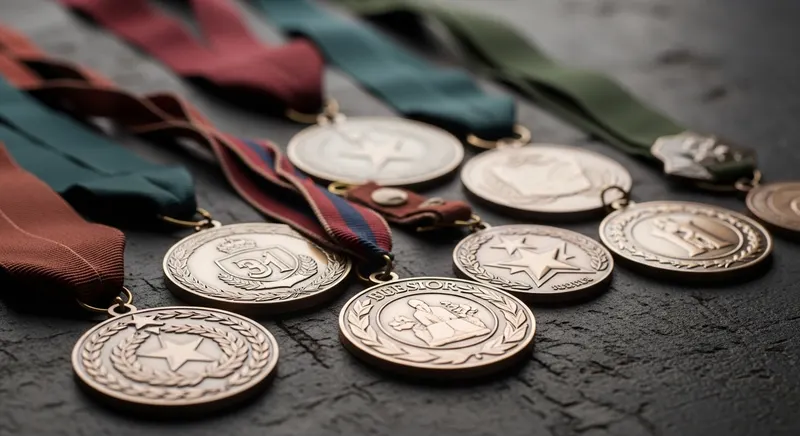
Every great achievement deserves recognition — and few things capture that moment quite like a medal. Whether it’s a student crossing the finish line at a school athletics carnival, a competitor stepping off the podium at a regional sporting event, or a team member being celebrated at a corporate awards night, bronze medals carry a weight far beyond their physical form. They’re tangible symbols of effort, perseverance, and accomplishment. Yet for many organisations across Australia — from primary schools in Brisbane to corporate event planners in Sydney — ordering custom bronze medals can feel surprisingly complicated. What size? What finish? How long will they take? This guide breaks it all down so you can order with confidence.
Why Bronze Medals Still Matter in a Digital Age
In a world of e-certificates and digital badges, it might seem old-fashioned to invest in physical medals. But the research consistently shows that tangible recognition has a much deeper psychological impact than its digital counterpart. When someone holds a bronze medal in their hands, they feel the weight of their achievement — literally.
For schools, sporting clubs, and corporate events, medals serve a practical purpose too. They’re highly visible rewards that encourage participation, motivate repeat effort, and build a culture of recognition. A Perth swimming club handing out custom bronze medals at their annual championships creates a tradition that participants look forward to year after year. A Melbourne corporate team building event that closes with a mock awards ceremony — complete with branded medals — creates a memorable shared experience that strengthens workplace culture.
Bronze medals occupy a particularly interesting space in award hierarchies. They’re not the top prize, which means they’re often ordered in the highest quantities — because third place still matters, and many events give out bronze-equivalent recognition to entire categories of participants. That volume consideration actually makes them one of the most cost-effective custom awards to produce.
Understanding Bronze Medal Options: Materials, Finishes and Styles
Before placing an order, it’s worth understanding the key variables that affect the look, feel, and cost of custom bronze medals.
Die Cast vs Stamped vs Zinc Alloy
Most promotional and event medals are manufactured using one of three methods:
- Die cast medals are made by pouring molten metal into a precision mould. They produce highly detailed, three-dimensional designs and are the gold standard for bespoke custom medals. They typically require higher MOQs (often 100+ units) and longer lead times.
- Stamped medals are produced by pressing a design into a flat metal blank. They’re cleaner in appearance, often thinner, and work beautifully for events that want a classic, traditional look. Many schools and sporting clubs favour stamped medals.
- Zinc alloy medals are the most common in the promotional and awards space. They offer excellent detail reproduction, a solid feel, and are very competitively priced at volume.
The Bronze Finish
True bronze (an alloy of copper and tin) is rarely used for promotional medals due to cost. Instead, most “bronze” medals are zinc alloy or iron medals with a bronze electroplate or antique bronze finish applied over the top. The result is virtually indistinguishable from solid bronze and significantly more affordable.
Antique bronze finishes — which give the medal a slightly aged, textured appearance — are particularly popular for corporate awards and trophies, as they convey heritage and prestige.
Ribbon Colours and Medal Sizing
Medals typically come with a neck ribbon, and the colour can be customised to match your organisation’s branding, school colours, or event theme. Standard medal diameters range from 50mm to 70mm for most events, with larger options available for showcase or display pieces.
If you’re ordering for a junior school event — say, an Adelaide primary school sports day — a slightly smaller, lighter medal may actually be more appropriate than a full-sized event medal. Think about who’s receiving the award and what they’ll do with it.
Customisation Options for Custom Bronze Medals
This is where branded medals really come into their own. The ability to add your organisation’s name, logo, event date, and even individual recipient names transforms a generic medal into a genuine keepsake.
Common Decoration Methods
Laser engraving is one of the most popular options for personalising medals. It creates crisp, permanent text and graphics directly onto the medal surface — perfect for adding school logos, club crests, or event names. Turnaround times for laser-engraved medals can be relatively fast compared to fully custom die cast options.
Enamel colour fill allows you to add vibrant colour detail to recessed areas of a medal design. It’s ideal for logos with specific brand colours, and works beautifully when paired with a die cast or stamped base medal.
Epoxy dome finishes apply a clear resin coating over a printed insert, creating a polished, full-colour label effect on the face of the medal. This method allows for photo-quality reproduction of logos and complex graphics.
Debossing creates a recessed impression in the medal surface — a tactile, premium-looking option that complements antique finishes particularly well.
When planning your medal order, it’s also worth thinking about how the award fits within a broader recognition strategy. Many organisations pair medals with other branded items — for example, corporate event planners in Canberra might combine awards with custom branded travel mugs or premium water bottles as part of a complete recognition package.
Planning Your Bronze Medal Order: Quantities, Budgets and Lead Times
One of the most common mistakes organisations make when ordering medals is underestimating how long the process takes. Here’s what to expect.
Minimum Order Quantities
For fully custom die cast bronze medals, MOQs typically start at 50 to 100 units. Stamped or zinc alloy medals with simpler customisation can sometimes be ordered in smaller runs, but below 25 units you’ll generally be looking at significantly higher per-unit costs.
If you need very small quantities — for example, a Gold Coast surf club presenting awards at a one-off fundraiser — consider stock medals with laser-engraved personalisation, which can often be ordered in runs as low as 10 to 20 pieces.
Budgeting for Bronze Medals
Budget varies significantly based on customisation level and quantity. As a general guide:
- Stock medals with engraving: $5–$15 per unit
- Stamped or zinc alloy medals with custom design: $8–$25 per unit
- Fully custom die cast bronze medals: $15–$50+ per unit (at higher volumes, cost per unit drops considerably)
Don’t forget to factor in setup fees (often $50–$150 for custom designs), ribbon costs, and any individual engraving charges if you’re personalising each medal with a recipient’s name.
Turnaround Times
Standard turnaround for custom medals in Australia is typically 3 to 6 weeks from artwork approval. If you’re in a rush, it’s worth asking suppliers about expedited options — though for fully custom die cast medals, there’s limited room to compress production time. For simpler stock-and-engrave options, turnaround can be much faster.
If you’re in the midst of planning a larger event and managing multiple product categories simultaneously — think event banners and signage, branded apparel, and participant giveaways like tote bags and backpacks — it pays to stagger your ordering and get medals underway first, given their longer lead times.
Industries and Occasions That Commonly Order Bronze Medals
Understanding who typically orders bronze medals helps clarify whether they’re the right fit for your event or programme.
Schools and Educational Institutions
Primary and secondary schools across Australia are among the biggest buyers of medals. Athletics carnivals, swimming carnivals, academic achievement ceremonies, and interschool competitions all create regular demand. Schools in Queensland, New South Wales, and Victoria particularly see strong seasonal demand in term one (swimming) and term two (athletics).
Pair medals with other school event merchandise — custom printed t-shirts for sports day participants, branded stationery items, or even sticky notepads for academic award recipients — to create a more complete recognition experience.
Sporting Clubs and Associations
From junior football clubs in Darwin to triathlon associations in Hobart, sporting organisations rely on medals as their primary recognition currency. Bronze medals are needed in the highest volumes for third-place finishes across multiple age groups and competition categories.
Many clubs also think about practical gifts alongside medal presentations — gym towels or branded water bottles are popular additions to sporting award packs.
Corporate Events and Team Building
Corporate awards nights and team recognition programmes increasingly incorporate medals — particularly for fun run challenges, team competitions, or milestone recognition. A Sydney financial services firm hosting an internal “innovation challenge” might commission custom bronze, silver, and gold medals for competition categories, while a Melbourne tech company might incorporate medals into a broader merchandise suite that includes tech promotional gadgets and branded accessories.
Trade Shows and Conferences
Less commonly, medals are used at trade shows and expos as attention-grabbing giveaways or “best in show” awards. If you’re planning a trade show stand, presenting category medals adds a memorable, premium touch to your presence.
Artwork and Proof Approval: Getting It Right
Custom medal projects live and die by the quality of artwork preparation. Here’s what most suppliers will need from you:
- Vector artwork (AI, EPS, or high-resolution PDF) for any logos or crests
- Text details including event name, year, and any categories (e.g. “Year 5 Girls 100m Sprint”)
- Ribbon colour preferences, ideally specified in PMS (Pantone Matching System) codes
- Quantity breakdown by category or recipient group
Always request a digital proof before approving production. For die cast medals, a physical sample or 3D render may also be available — worth requesting if you’re placing a significant order.
It’s also worth keeping an eye on broader seasonal purchasing patterns to time your order strategically, particularly if you’re an organisation that runs multiple events throughout the year.
Conclusion: Key Takeaways for Ordering Bronze Medals in Australia
Bronze medals remain one of the most meaningful and enduring forms of recognition available to Australian schools, sporting clubs, and corporate events. With the right planning and preparation, they’re also one of the most straightforward award products to order. Here are the essential points to remember:
- Start early. Custom die cast bronze medals typically require 3–6 weeks from artwork approval — build this into your event planning timeline well in advance.
- Match the product to the occasion. Stock medals with laser engraving suit small runs and tight budgets; fully custom die cast medals are worth the investment for flagship events and annual championships.
- Think about the full recognition package. Medals are more impactful when paired with other branded items — apparel, drinkware, bags, or stationery — that extend the experience beyond the ceremony.
- Prepare quality artwork. Vector files and clear brief documents save time, avoid proofing delays, and ensure your finished medals look exactly as intended.
- Consider your recipients. Age, context, and the prestige of the event should all inform decisions around medal sizing, finish, ribbon colour, and personalisation level.
Whether you’re a Brisbane school organising your annual athletics carnival or a Canberra corporate team wrapping up a year-end recognition programme, investing in quality custom bronze medals is one of the simplest and most effective ways to make achievement feel truly seen.