
Branded Pet Toys for Veterinary Clinics: A Complete Australian Ordering Guide
Discover how Australian vet clinics can use branded pet toys to boost loyalty, grow referrals, and create memorable client experiences.

Written by
Riley Singh
Custom Apparel
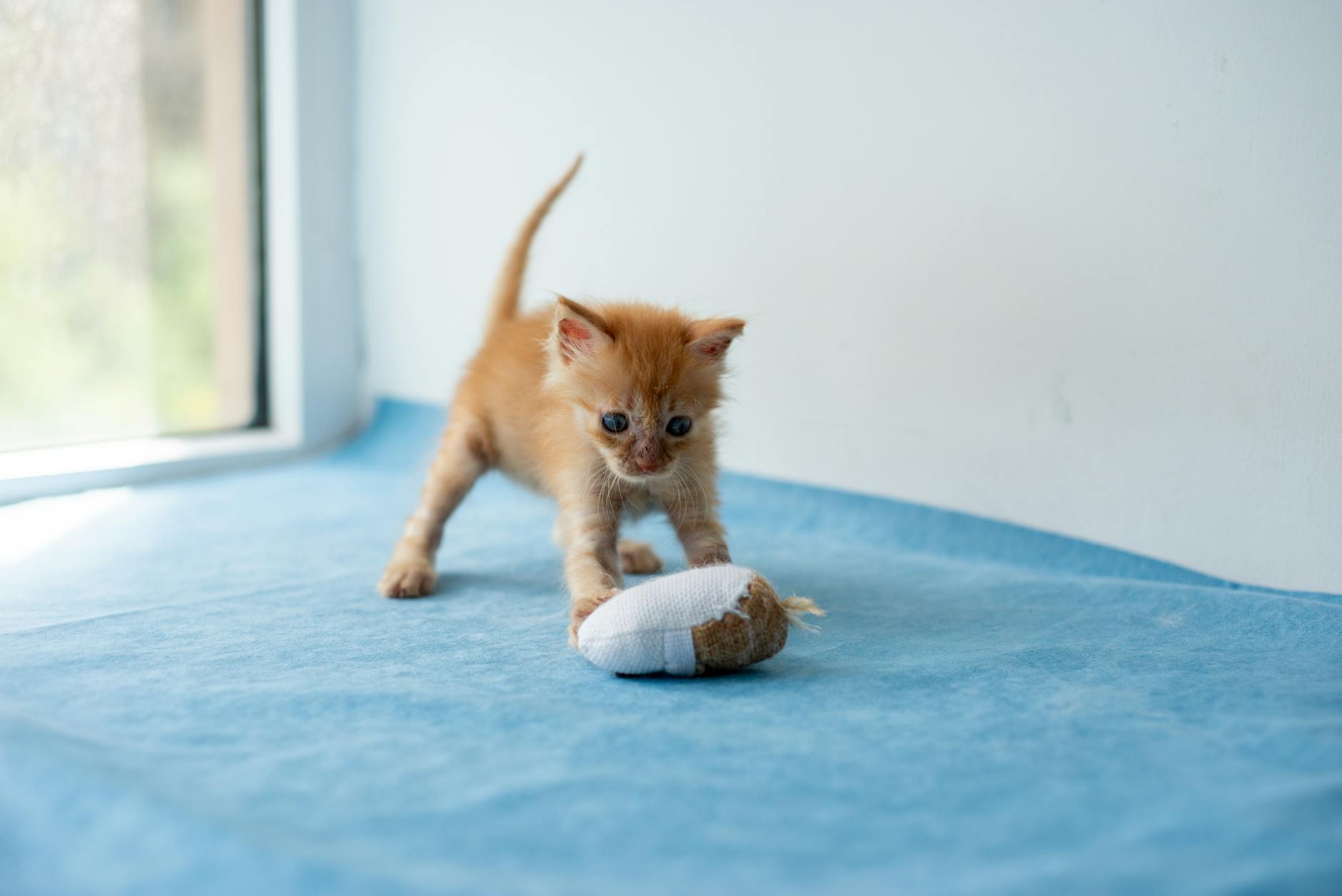
If you run a veterinary clinic in Australia, you already know that building trust with pet owners is everything. But in a competitive local market — whether you’re operating in inner-city Melbourne, suburban Brisbane, or a regional town in Western Australia — standing out requires more than excellent clinical care. It requires a brand that pet owners remember, talk about, and return to. That’s exactly where branded pet toys for veterinary clinics in Australia come into the picture. These practical, playful promotional products are a surprisingly powerful tool for client retention, word-of-mouth referrals, and reinforcing your clinic’s personality long after the appointment is over.
Why Branded Pet Toys Work So Well for Vet Clinics
Most promotional products end up in a drawer or the recycling bin within a week. A branded pet toy? It goes straight into the living room floor, the backyard, or the dog bed — and it stays there. Every time a pet owner sees their dog chasing a rope toy or their cat batting at a branded plush mouse, your clinic name and logo are right there in the action.
This is what marketers call “impressions per item” — and pet toys deliver an exceptional number of them. According to industry data on promotional products trends, branded merchandise that serves a genuine daily function consistently outperforms purely decorative items in brand recall. For veterinary clinics, pet toys tick every box: they’re relevant, they’re useful, and they create an emotional connection between the product, the pet, and your practice.
There’s also a social element worth considering. Pet owners love sharing photos and videos of their animals playing. A branded toy in the background of someone’s Instagram reel is free advertising. It’s the kind of organic reach that no paid campaign can fully replicate.
Building Client Loyalty Through Thoughtful Gifting
Consider this scenario: a new puppy owner brings their eight-week-old Labrador to your Sydney clinic for their first vaccination. The appointment wraps up, and your receptionist hands over a small branded welcome pack that includes a rubber chew toy with your clinic logo. That gesture costs relatively little — but the emotional impact is significant. The puppy owner feels valued, not just processed. They’re more likely to book their next appointment, more likely to recommend your clinic to a friend, and more likely to think warmly of your brand every time they watch their dog play.
This kind of thoughtful gifting doesn’t require a huge budget. It requires strategy.
Types of Branded Pet Toys Suitable for Veterinary Clinics
Not all pet toys are created equal, and the right product will depend on your client base, your budget, and the message you want to send. Here’s a breakdown of the most popular options for Australian vet clinics.
Branded Rubber Chew Toys
These are among the most popular choices for dog-focused clinics. Durable, safe, and easy to brand with a moulded logo or pad print, rubber chew toys are excellent for puppy packs and new client welcome gifts. They’re practical from a veterinary standpoint too — you can confidently recommend them as safe for chewing, which adds credibility to the gift.
Rope Toys with Hang Tags
Knotted rope toys are a classic for good reason. They’re affordable, suitable for a wide range of dog breeds and sizes, and the hang tag provides ample space for your clinic name, phone number, website, and even a QR code linking to your booking system. Minimum order quantities for this type of product typically start around 50–100 units, making them accessible even for smaller independent clinics.
Plush Squeaky Toys
These work particularly well as seasonal gifts — think Christmas puppy packs or Easter giveaways. A plush toy branded with a printed patch or label featuring your logo adds a premium feel without blowing the budget. Check out our thoughts on seasonal gifting and promotional purchasing patterns for ideas on timing your branded merchandise campaigns effectively.
Cat Toys and Accessories
Don’t forget the cat owners. Feather wand toys, catnip pouches, and crinkle balls can all be presented in branded packaging. Cat-specific merchandise shows you understand and value feline clients equally — a detail that doesn’t go unnoticed among dedicated cat owners.
Pet Bandanas as a Complementary Branded Item
While not a toy per se, branded bandanas are an excellent complementary product to include alongside pet toys in a welcome kit or post-grooming gift. They’re incredibly photogenic (hello, social media), and they transform your clients’ pets into walking brand ambassadors. Read more about this in our detailed guide to custom pet bandanas for veterinary clinics in Australia.
Decoration Methods: Getting Your Logo onto Pet Toys
Understanding how branding is applied to pet products will help you make smarter decisions when briefing a supplier.
Pad Printing
Pad printing is the most common decoration method for rubber and plastic pet toys. It involves transferring ink from a silicone pad onto the product surface, making it ideal for curved or irregular shapes. Results are clean and cost-effective, though the branding area is typically limited to one or two colours.
Debossing and Embossing
For premium rubber or silicone toys, debossing (pressing the logo into the material) creates a tactile, high-end finish that holds up extremely well over time. This is worth exploring if you want a more professional look. Our guide to debossing services for promotional products in Sydney covers what’s involved in more detail.
Screen Printing and Heat Transfer
Screen printing is often used on flat fabric surfaces — think plush toys, bandanas, or rope toy hang tags. It produces vibrant, durable results and is well-suited to multi-colour designs.
Hang Tags and Labels
Even if the toy itself can’t be branded directly, a well-designed hang tag or sewn-in label with your clinic’s name, logo, and contact details ensures your branding is present. Hang tags also give you space to include a short personalised message — a nice touch that reinforces your clinic’s personality and care.
Practical Ordering Tips for Vet Clinics
Ordering branded pet toys involves a few considerations that are worth thinking through before you get started.
Set a realistic budget. Branded pet toys typically range from $3 to $15 per unit depending on the product type, decoration method, and order quantity. Factoring in setup fees (usually $50–$200 per design) is important, especially on smaller runs. Larger orders — 500 units or more — will unlock better pricing tiers.
Plan for MOQs. Most suppliers in Australia have minimum order quantities of 50–100 units for standard branded pet toys. If your clinic is smaller, consider collaborating with neighbouring clinics or bundling toys with other branded items like custom promotional pet treat bags to reach MOQs more efficiently.
Allow adequate lead times. Domestic production turnarounds in Australia are typically 10–15 business days once artwork is approved. Imported products can take longer, so if you’re planning a campaign around a specific date — a clinic anniversary, a local pet expo, or a seasonal promotion — factor this in early. Understanding how to find reliable promotional products suppliers will save you considerable stress.
Prepare your artwork correctly. Vector files (AI, EPS, or high-resolution PDF) are required by most decorators. If your logo is only available as a JPEG or PNG, speak to your supplier early — many can assist with artwork conversion, though this may incur an additional fee.
Order samples first. Before committing to a full run, always request a pre-production sample or a physical swatch if available. This lets you assess quality, check branding accuracy, and confirm colour matching before you’re locked in.
How Branded Pet Toys Fit Into a Broader Clinic Marketing Strategy
Branded pet toys shouldn’t exist in isolation — they work best as part of a cohesive merchandise strategy. Consider pairing them with other branded items that reinforce your clinic’s identity at every touchpoint.
For instance, waiting room reception can feature branded custom water bottles or sticky notepads for clients to use during their visit. Staff uniforms, lanyards, and printed bags all contribute to a professional, memorable brand experience. If your clinic attends local pet expos or community events, a well-equipped trade show stand with a range of branded giveaways — including pet toys — will help you attract and engage visitors effectively.
There’s also a growing appetite for eco-friendly promotional items in the pet industry. Sustainably sourced rope toys, organic cotton plush toys, and recycled material products resonate strongly with the environmentally conscious pet owner demographic — a group that’s well-represented in markets like inner-city Melbourne, Canberra, and the Byron Bay region. Demonstrating your clinic’s commitment to sustainability through your product choices is a meaningful brand statement.
Budgeting for Branded Pet Toys Across Different Clinic Sizes
A solo vet practice in regional Queensland will have very different budgeting needs compared to a multi-location clinic group across Perth and Adelaide. Here’s a rough guide:
- Small independent clinic (1–2 vets): Budget $500–$1,500 for an initial run of 100–200 branded toys. Focus on one product type — rope toys or rubber chew toys — with a straightforward two-colour logo.
- Mid-sized group practice (3–6 vets): Budget $2,000–$5,000 for a mixed bundle including toys, bandanas, and treat bags. This allows for more variety across dog and cat clients.
- Multi-location clinic group: At this scale, investing in a full branded merchandise range makes commercial sense. Annual merchandise budgets of $10,000+ enable premium product selection, consistent branding across locations, and strategic campaign planning aligned with seasonal purchasing patterns.
Conclusion: Key Takeaways for Australian Veterinary Clinics
Branded pet toys for veterinary clinics in Australia represent a genuinely smart investment — one that delivers emotional resonance, lasting visibility, and measurable loyalty benefits. Whether you’re welcoming a new puppy patient in Darwin or rewarding a long-term client in Hobart, the right branded product turns a transactional vet visit into a memorable brand experience.
Here are the key points to take away:
- Relevance drives results. Pet toys are used daily, making them far more effective for brand impressions than generic promotional items like pens or keyrings.
- Choose decoration methods wisely. Pad printing suits rubber toys; debossing adds premium appeal; hang tags are a cost-effective way to brand any toy type.
- Plan your orders with lead times in mind. Allow at least 3–4 weeks for production and delivery, especially around busy periods like Christmas or RSPCA events.
- Consider your full product mix. Pet toys work best alongside complementary items like bandanas, treat bags, and eco-friendly merchandise to create a cohesive branded experience.
- Start small and scale. A well-executed initial run of 100 units will give you the data and feedback to grow your branded merchandise programme confidently over time.